Lives Remembered: Treasures and Tales from Ashtead
A collection of artefacts, memorabilia and historical objects that each reveal some of the rich stories, notable lives and lasting legacies of people buried in our graveyard.
-
we have had to be very selective. It is hoped those chosen will be inspirational, primarily to children in general and those at St Giles’ School in particular.
-
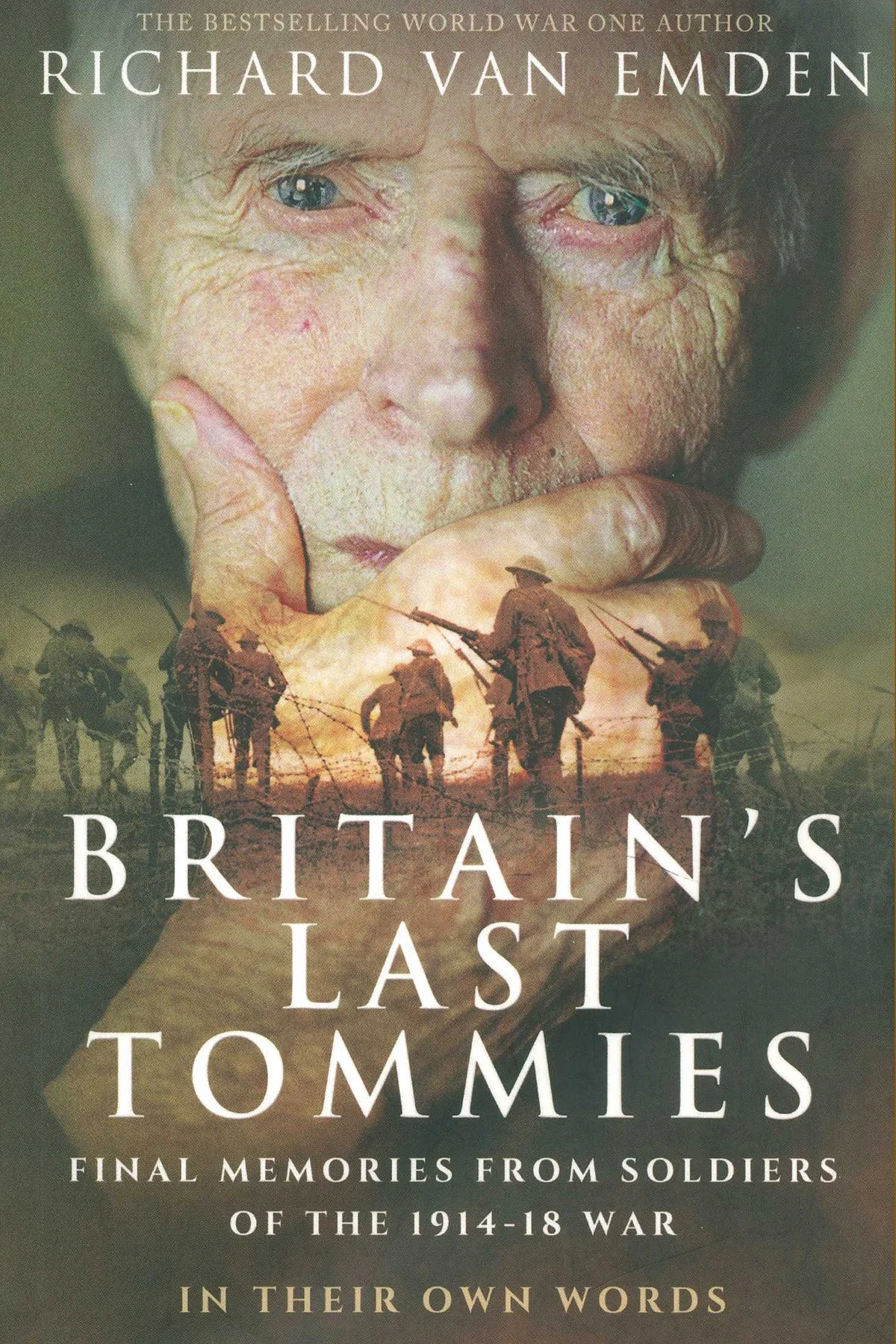
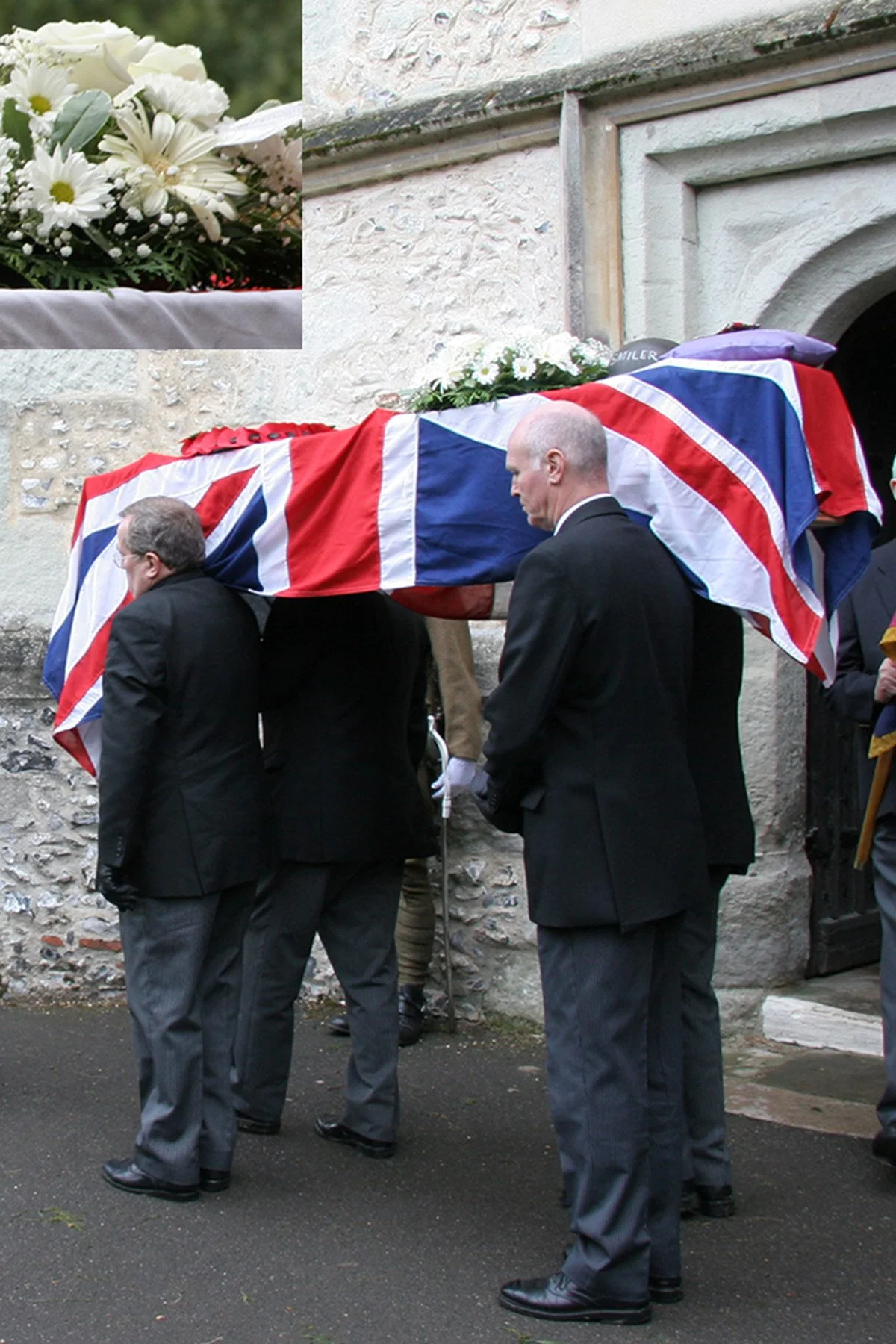
Known to all as 'Smiler', he was a First World War Veteran and lived in Agates Lane from 1940 until he died in 2005 aged 108.
He had learned to ride at the age of six, won a riding competition aged eighty-five, and continued riding until his late nineties, and sometimes even brought his horse to church! Lying about his age, he had joined the Essex Yeomanry in 1915. Such was the pace of change in the First World War that whilst he started as a cavalryman, he ended it as a machine gunner. He was the last surviving British cavalryman; their job was to break through the enemy lines and to hold the position until the infantry arrived. He was the last survivor of the Battle of the Somme in 1916 and was a holder of the Légion d'honneur.
On his and his wife's grave, it says "N. M. G. T. T.". This stands for Nearer My God To Thee, which was Smiler's favourite hymn. It was taught to him by his Sunday school teacher, who lost his life on the Titanic. Coincidentally, in St Giles' church is a plaque in memory of George Harry Hunt, who died on the Titanic. The plaque reads "To the glory of God and sacred to the memory of George Harry Hunt of this Parish. A passenger on the ill-fated R.M.S. Titanic which was lost April 15th 1912. Aged 34 years. 'Nearer my God to thee'". Smiler sang this hymn when, following a shell blast, he was trapped in the thick mud and couldn't move. He was found and rescued, but two friends with him were lost in the mud and never seen again. -
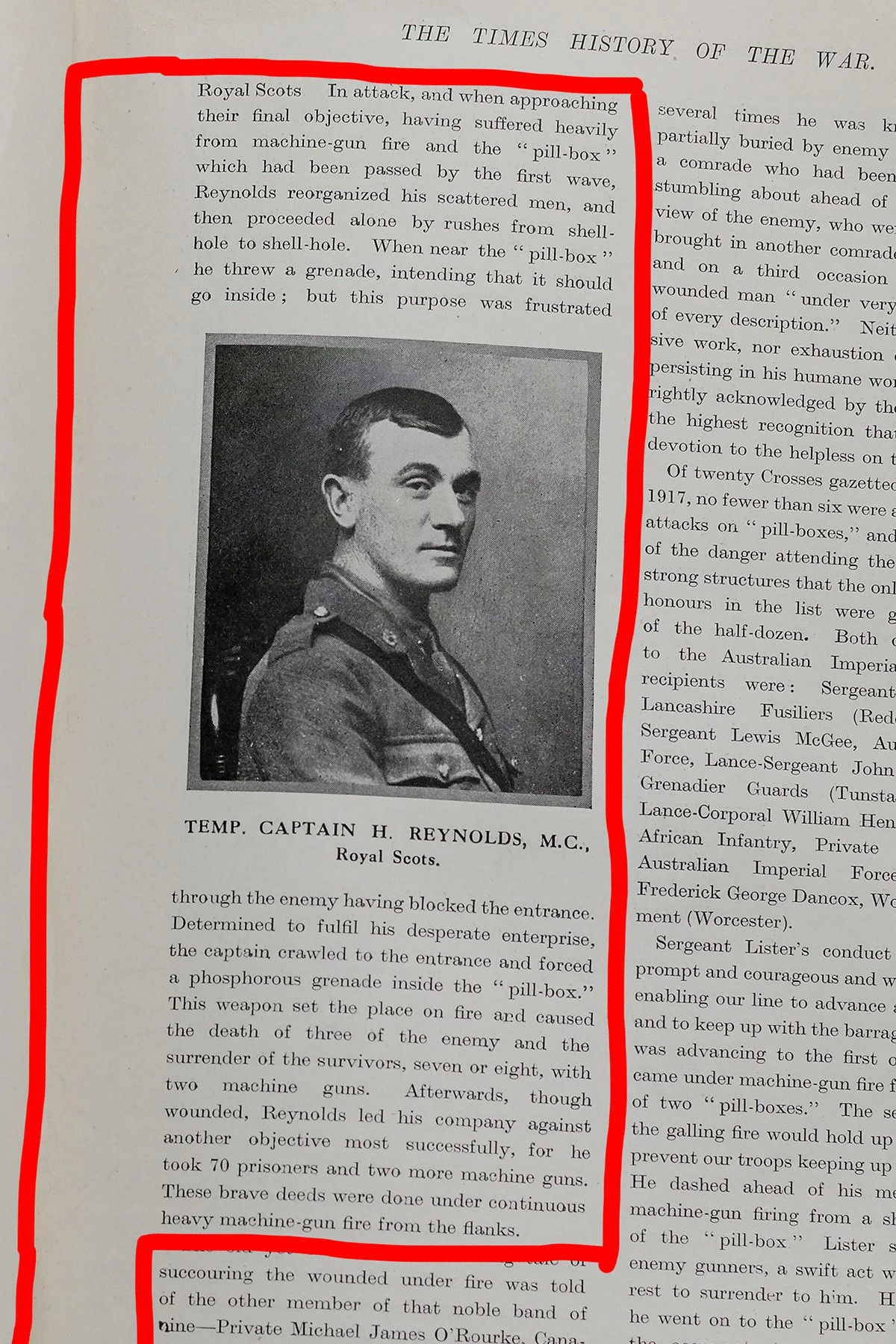
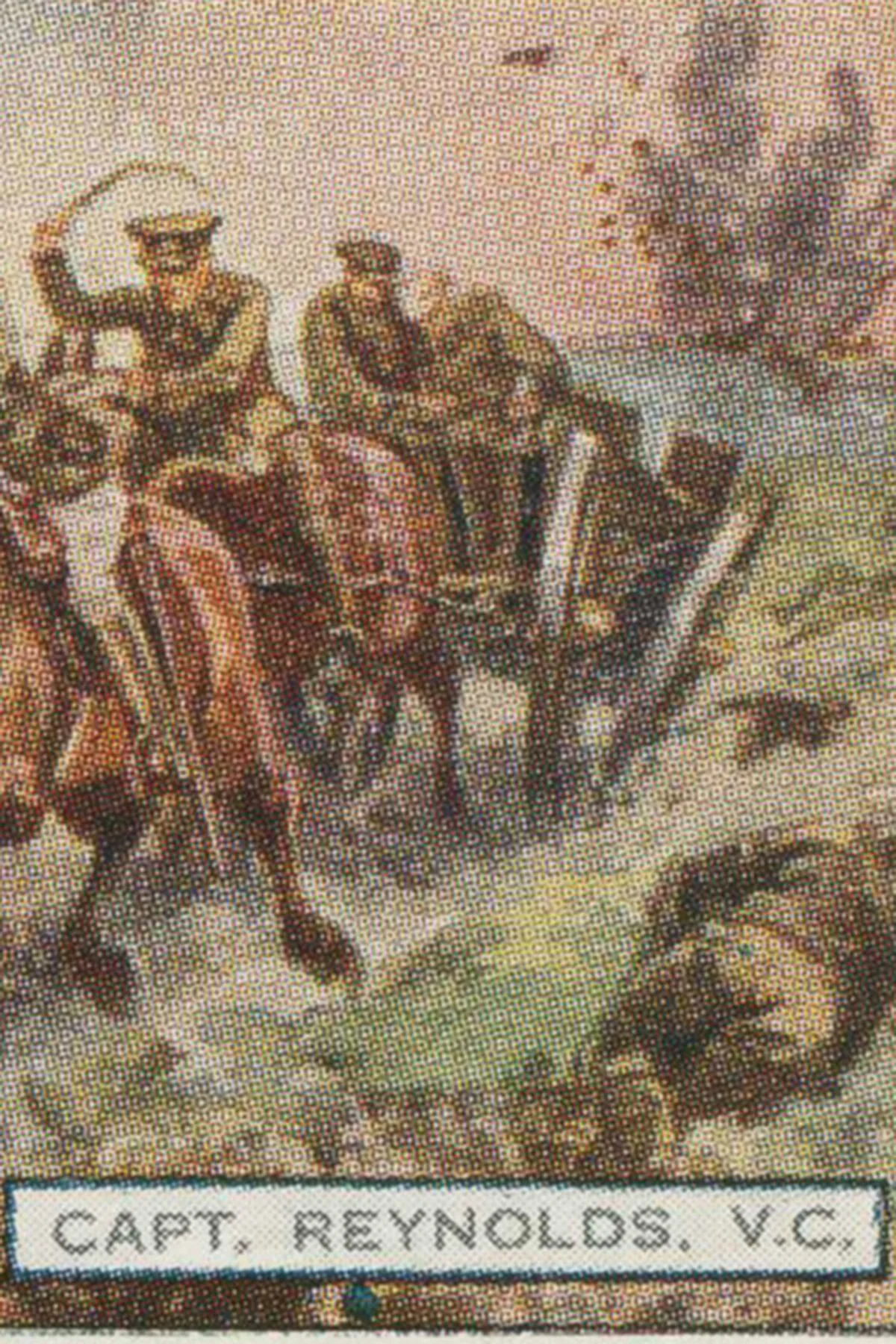
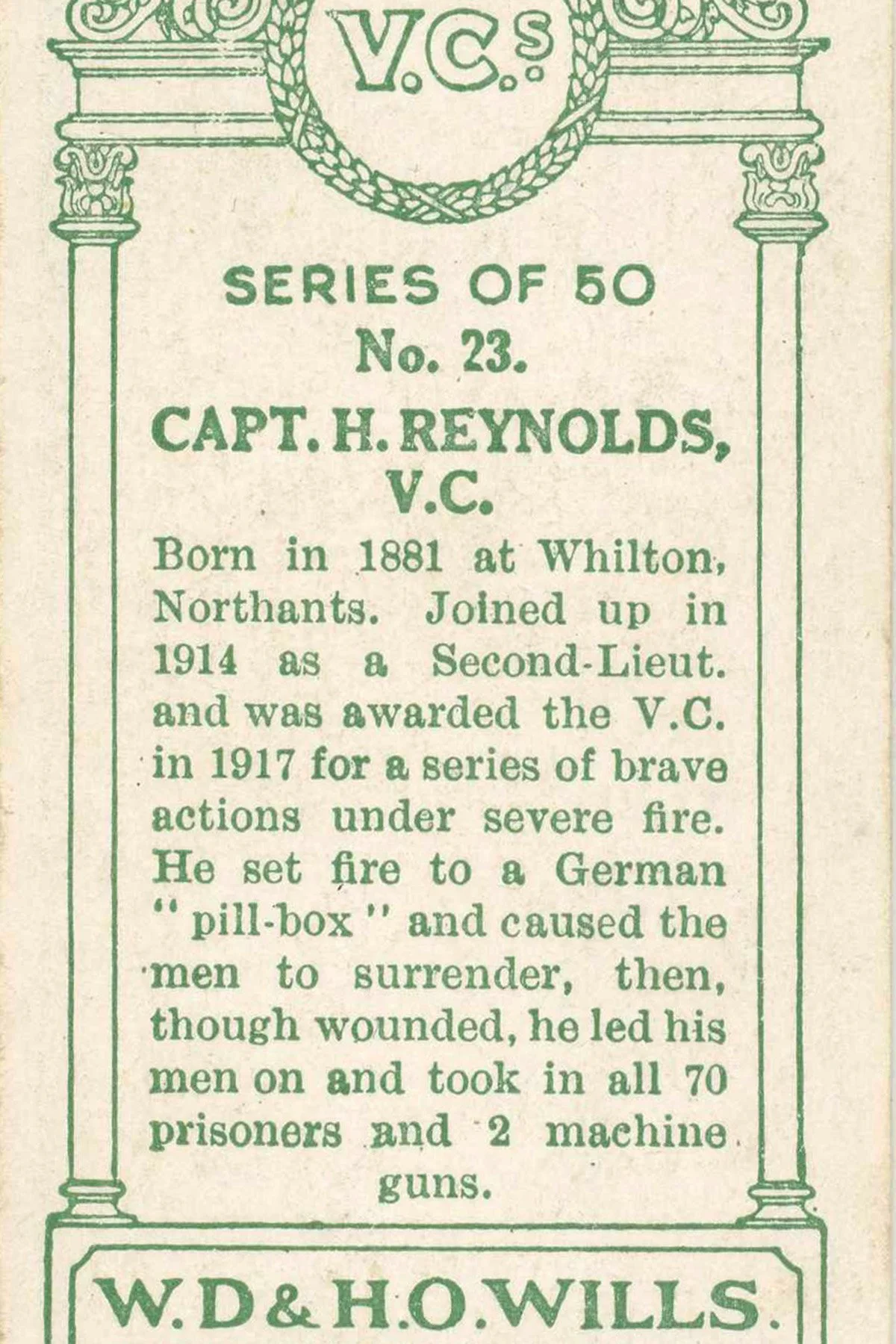
The only holder of a VC in the graveyard, which he was awarded "For most conspicuous bravery”. Henry Reynolds was born at Whilton, Northamptonshire. He was serving in the 12th Battalion, The Royal Scots (Lothian Regiment) when he was awarded the Victoria Cross for Valour. The award was published in the London Gazette on 8 November 1917, the citation reading: On 20 September 1917, near Frezenburg, Belgium, Captain Reynolds's company were suffering heavy casualties from enemy machine-guns and a pill-box. Captain Reynolds reorganised his men and then proceeded alone, rushing from shell-hole to shell-hole under heavy fire. When near the pill-box he threw a grenade which should have fallen inside, but the entrance was blocked, so crawling to the entrance he forced a phosphorous grenade in. This set the place on fire, killing three and the remainder surrendered with two machine-guns. Afterwards, although wounded, Captain Reynolds captured another objective, with 70 prisoners and two more machine-guns.
He died at Carshalton, Surrey. His medal is in the Royal Scots Regiment Museum, Edinburgh. -
Blood Swept Lands and Seas of Red 2014 - 2018
Sydney Clark East was reported missing on 9th October 1917 during the Battle of Passchendaele, and he is listed on the Menin Gate and at Tyne Cot War Graves Cemetery along with 34,960 names of officers and men with no known graves.
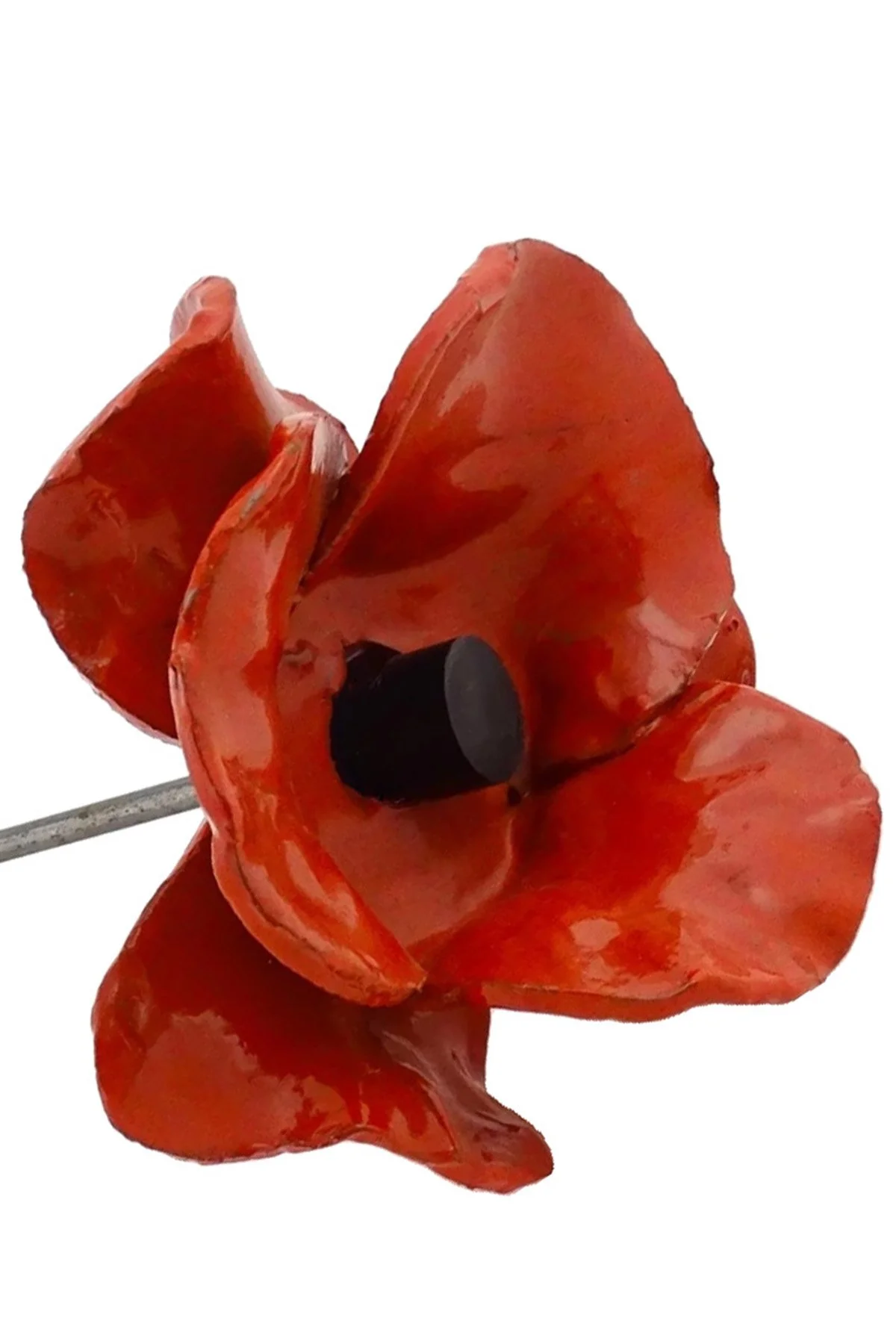
In 2014, this poppy was planted in the moat of the Tower of London display by the great-great-granddaughter of Sydney East.
Following the wish of his grandson Michel Trembley, a resident of Ashtead for 60 years, after his funeral in 2023, the poppy was gifted for display in St Giles’ Church.
“In Flanders fields the poppies grow, and mark our place…”
-
Ernest William Blackman c.1886 - 1943; Thomas Alfred Bushell † c.1897 - 1961; John Harrison Johnston c.1889 - 1964; Thomas George Lynes c.1898 - 1933; William John Martin c.1880 - 1950; William Rank c.1881 - 1936; Arthur Henry Stevens c.1894 - 1965
† Thomas Alfred Bushell's gravestone says "Who suffered in silence".
These seven all lived in Purcells Close and worked for Ashtead Potters Limited. The pottery ran from 1923 to 1935 and only employed disabled First World War soldiers. Its factory was in The Street, where Lime Tree Court retirement homes are now.
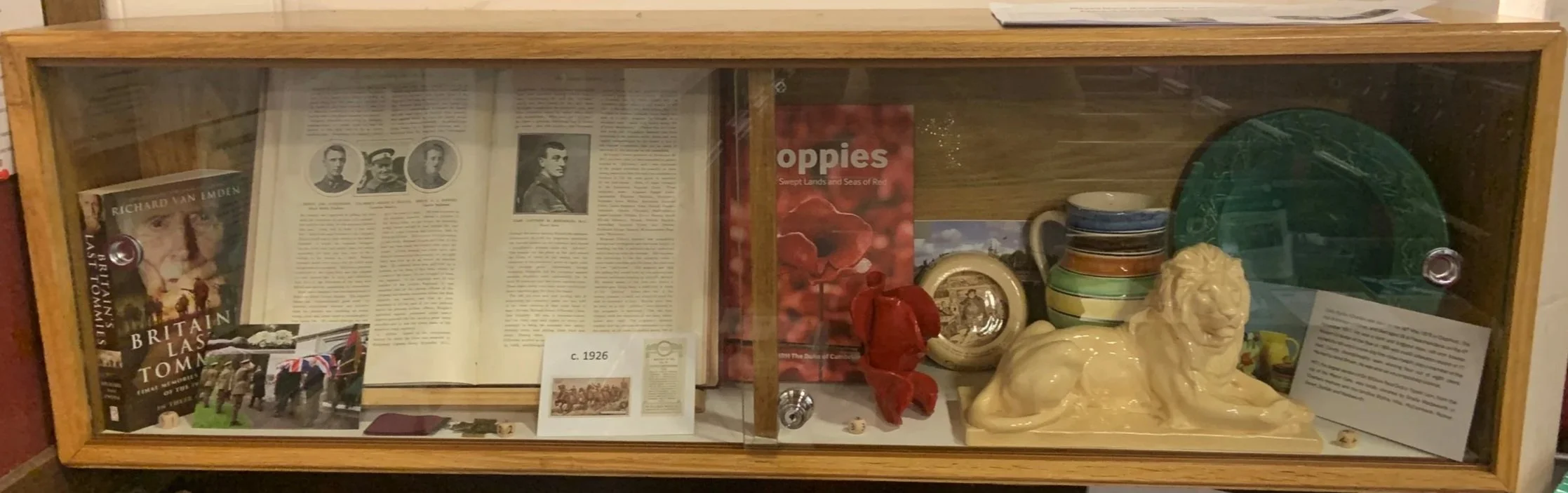
In the cabinets we have five examples of their work:
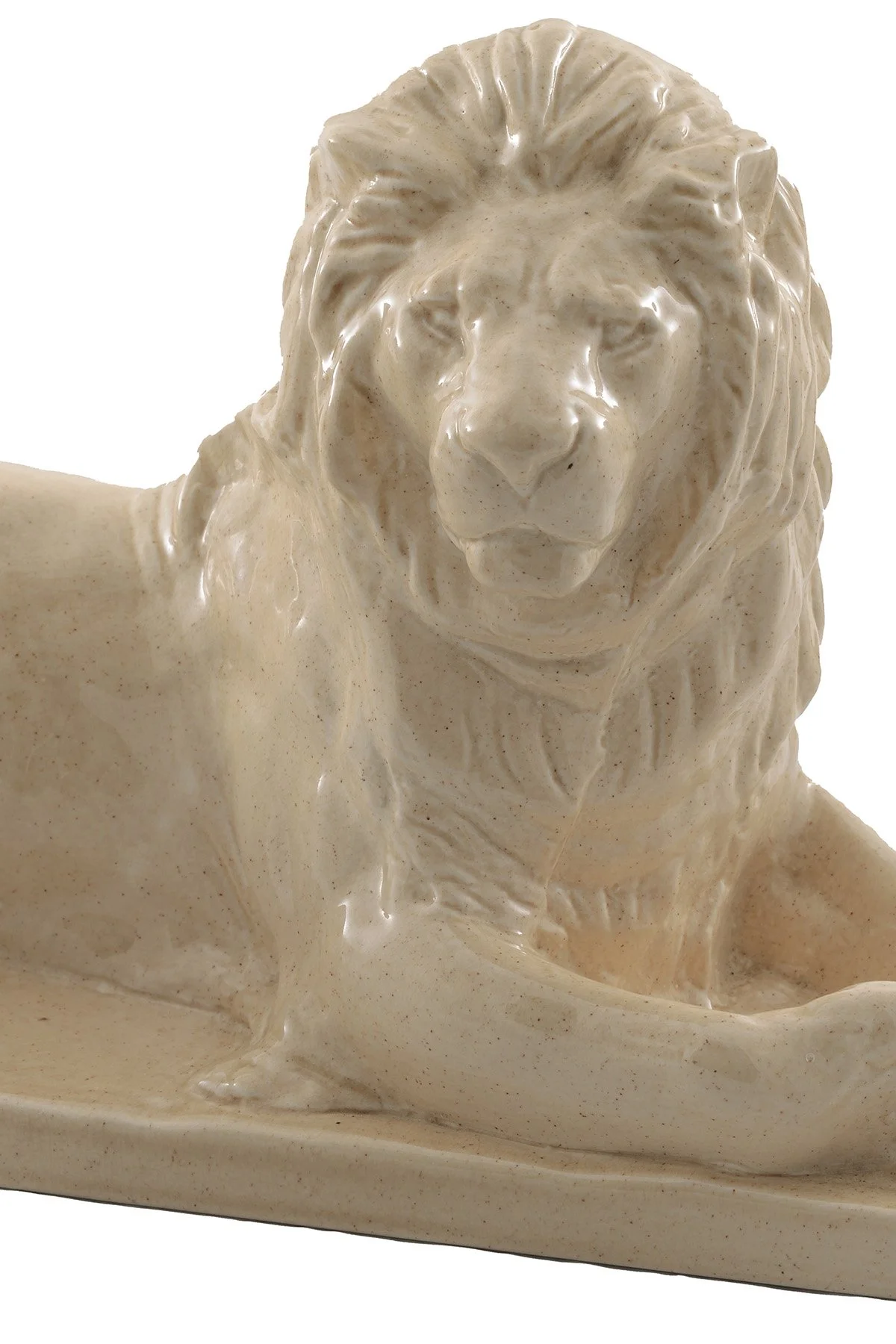
M57, the largest version of Sir William Reid Dick's 'Ypres' Lion, from the top of the Menin Gate. ‡
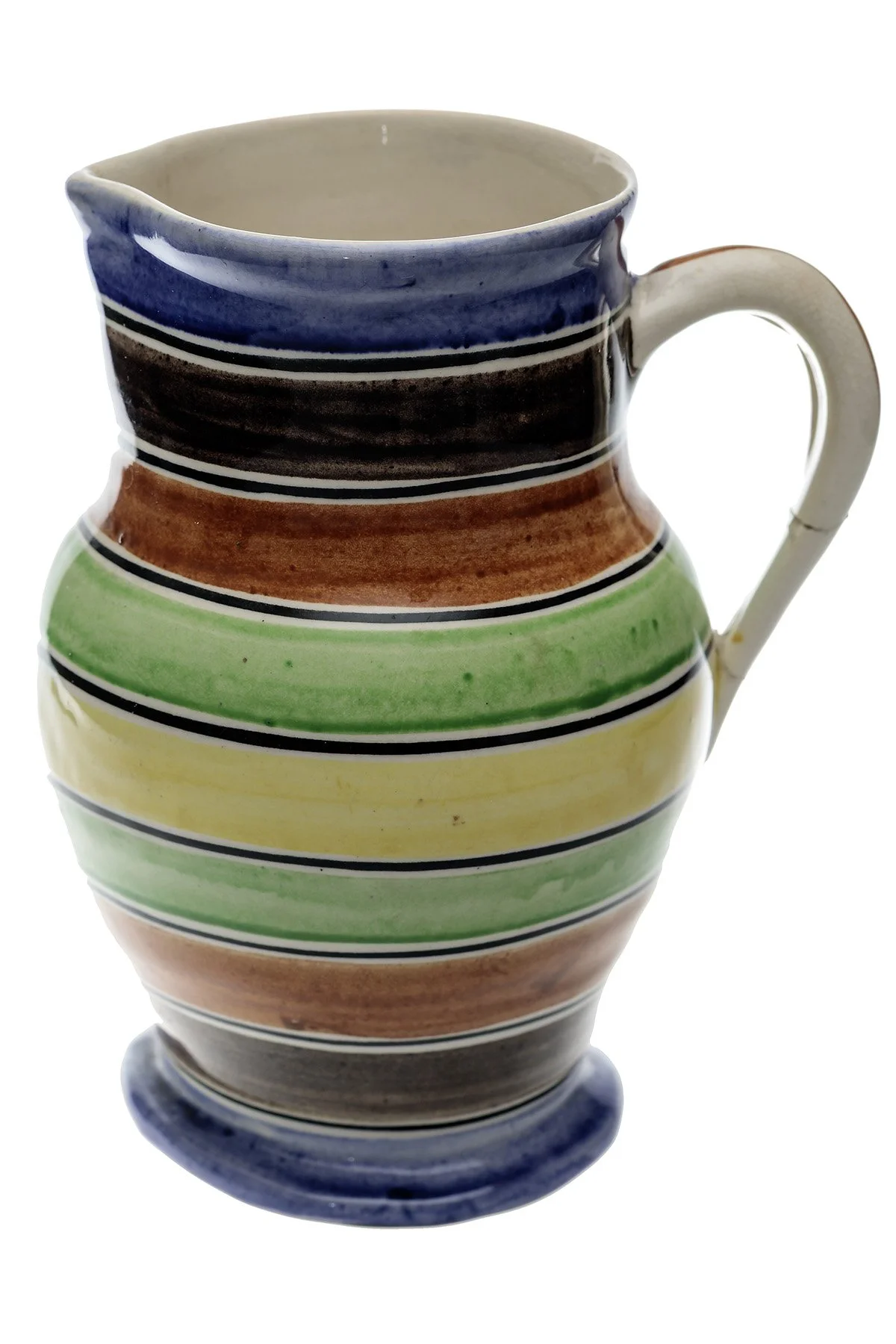
J13, Brittany jug with the quintessentially Ashtead harlequin hoop colours.
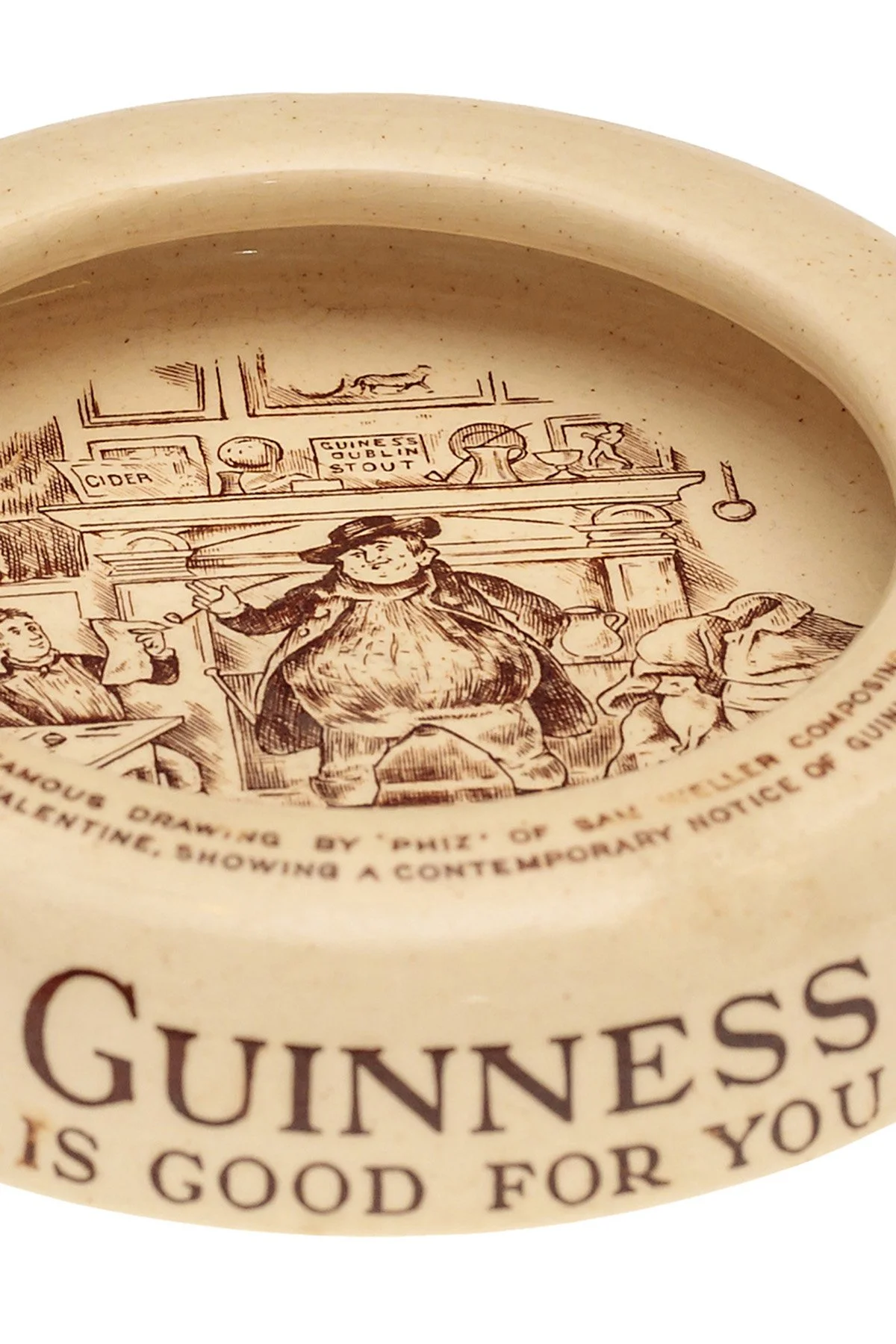
Guinness ashtray with a drawing of Sam Weller (a fictional character in The Pickwick Papers, 1836, the first novel by Charles Dickens), drawn by Hablot Knight Browne, aka Phiz.
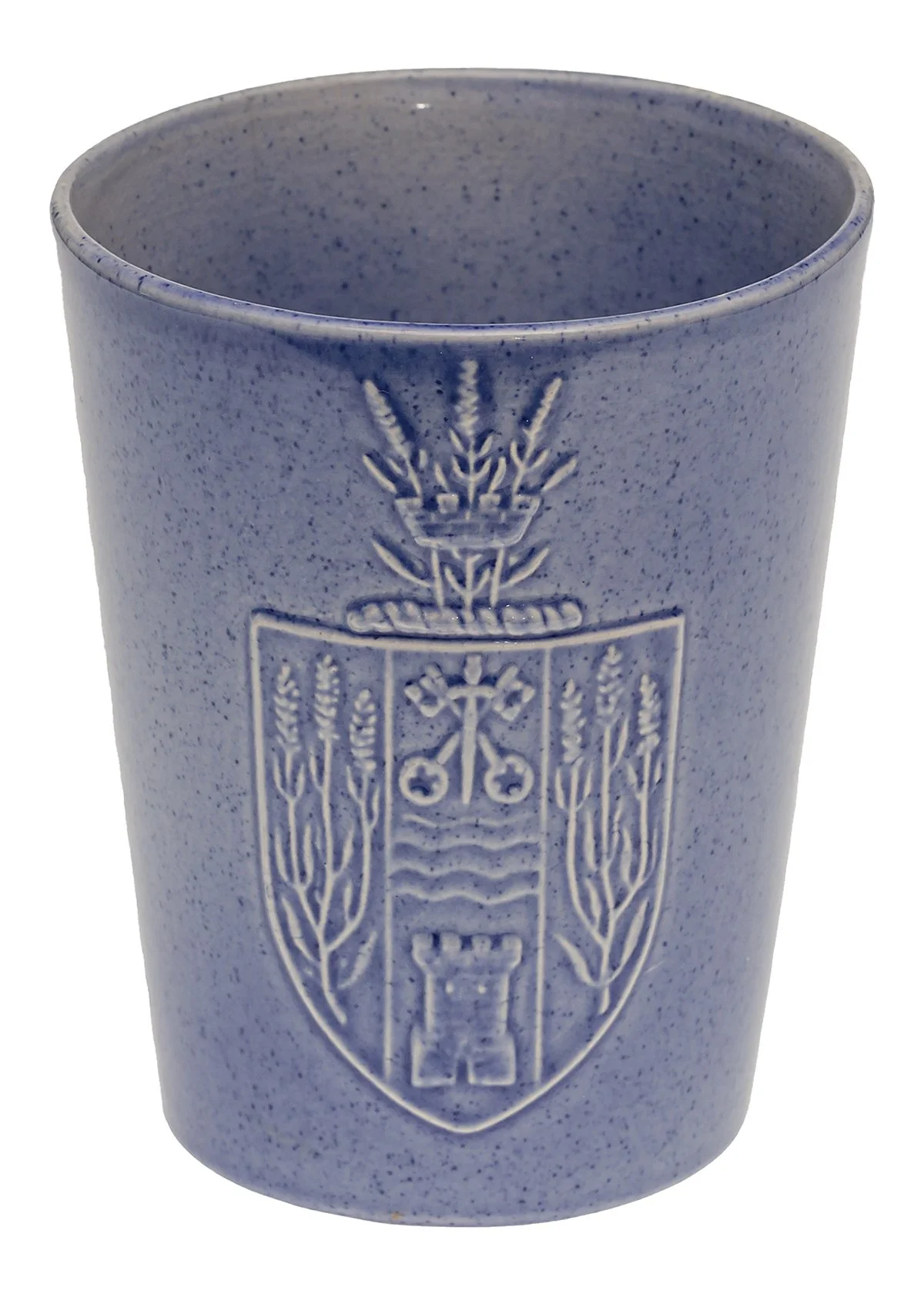
Mitcham Beaker, the last commemorative pieces made by the pottery. In commemoration of Mitcham receiving its charter and becoming a municipal borough on 19 September 1934, one of these beakers was given to each schoolchild.
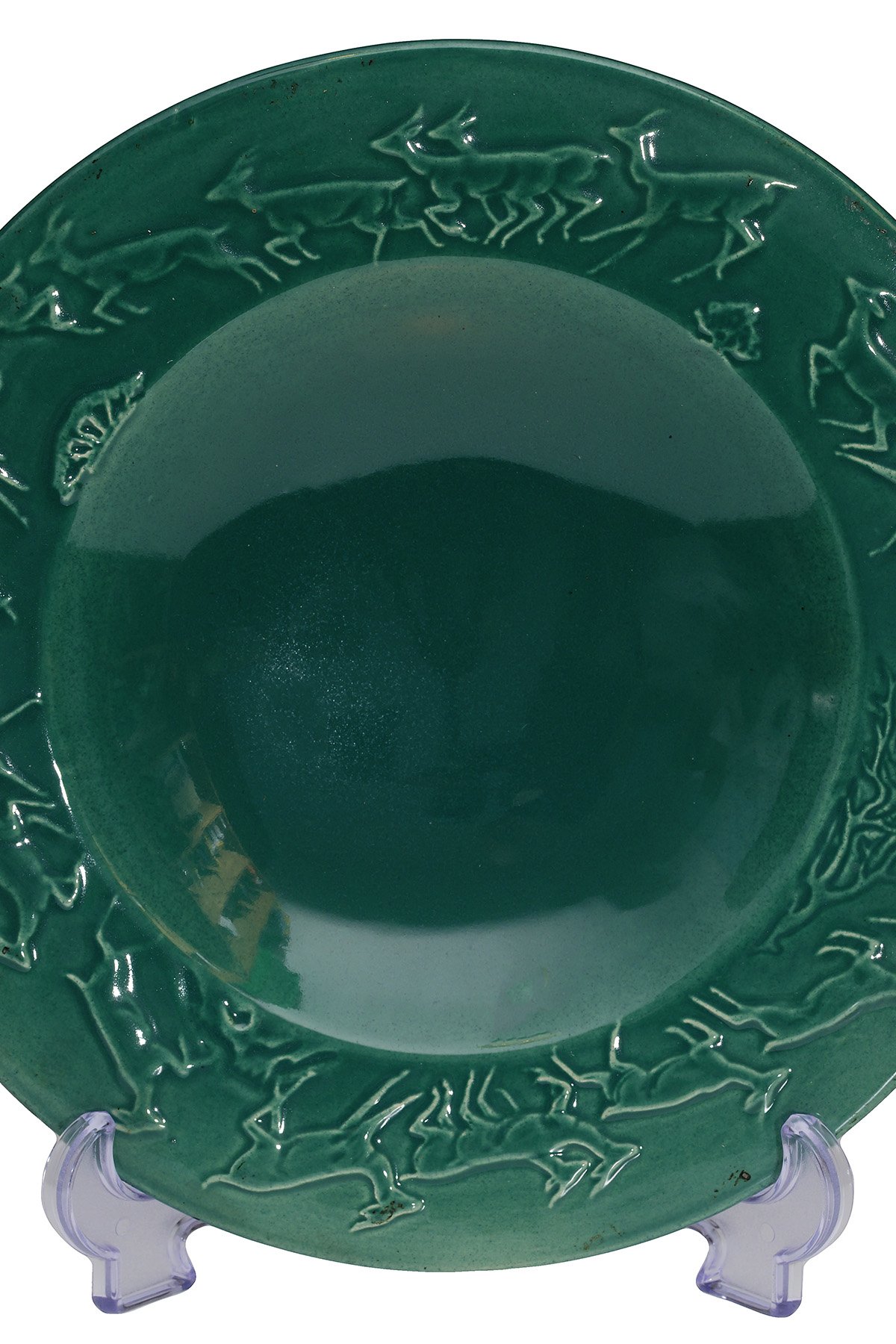
P6, Desert bowl with "leaping gazelles" (actually impalas or an animal based on an impala), designed by David Gordon Roberts Furse.
More examples of their work can be seen at:
‡ Serjeant Colin (Charlie) Blythe was born on 30 May 1879 in Deptford, the first of thirteen children, and died aged 38 at Passchendaele on 8 November 1917. He was a Kent and England slow, left-arm bowler, Wisden Cricketer of the Year in 1904 with a still unbeaten record of 17 wickets for 48 runs in a one-day first-class match; also a member of the Kent County championship team winning four out of eight years. Married to Janet Brown, he was also an accomplished violinist.
M57, the largest version of Sir William Reid Dick's 'Ypres' Lion, from the top of the Menin Gate, was kindly donated by Sheila Wadsworth in Charlie's memory and the families Blythe, Hills, McCormack, Romer, Smart, Spellar and Wadsworth. -
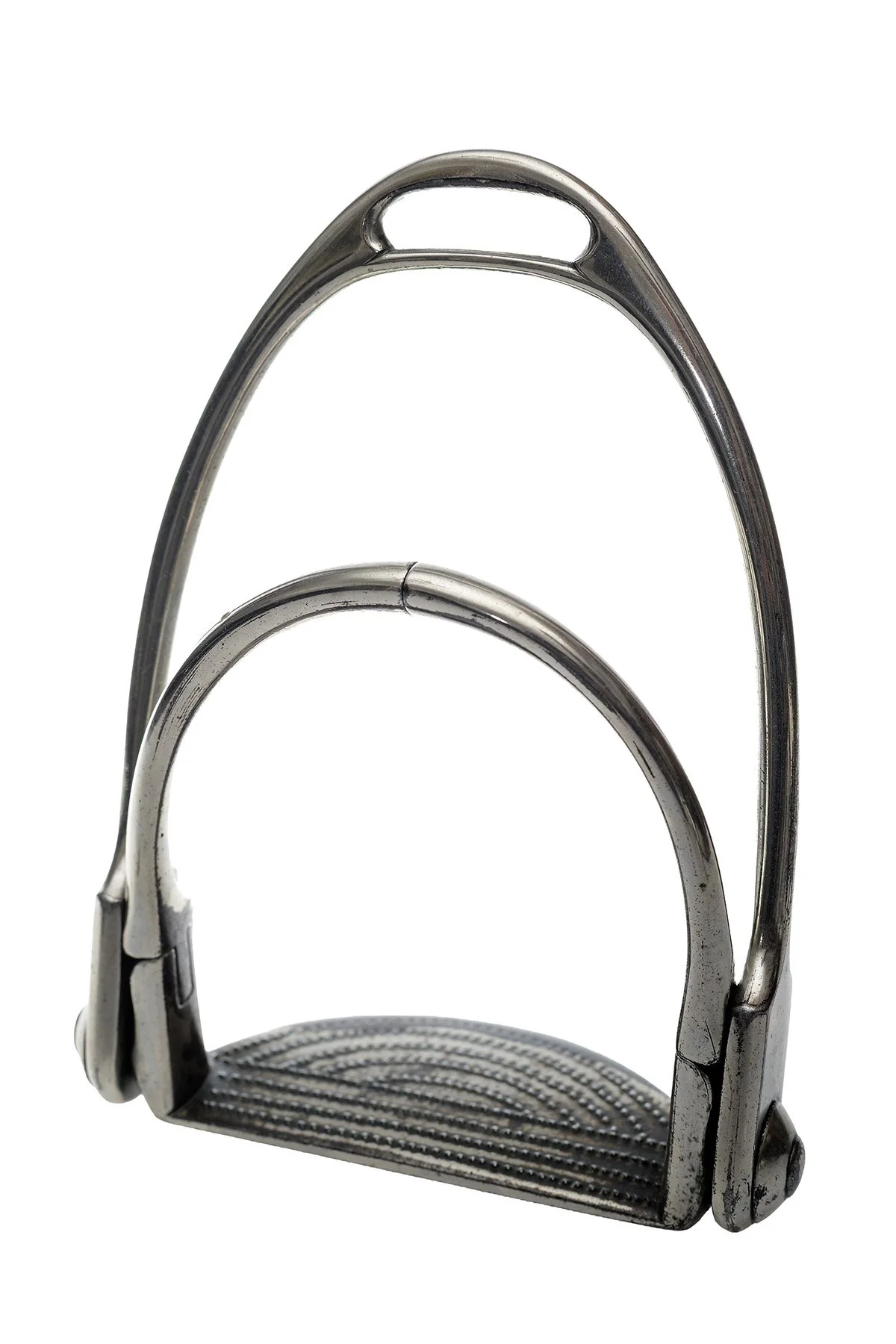
He was the Managing Director of Hampson & Scott Limited, based in Walsall. They described themselves as "Manufacturers of leather goods for sport and travel, fancy leather articles of all kinds, and proprietors of Scott's Safety Stirrup."
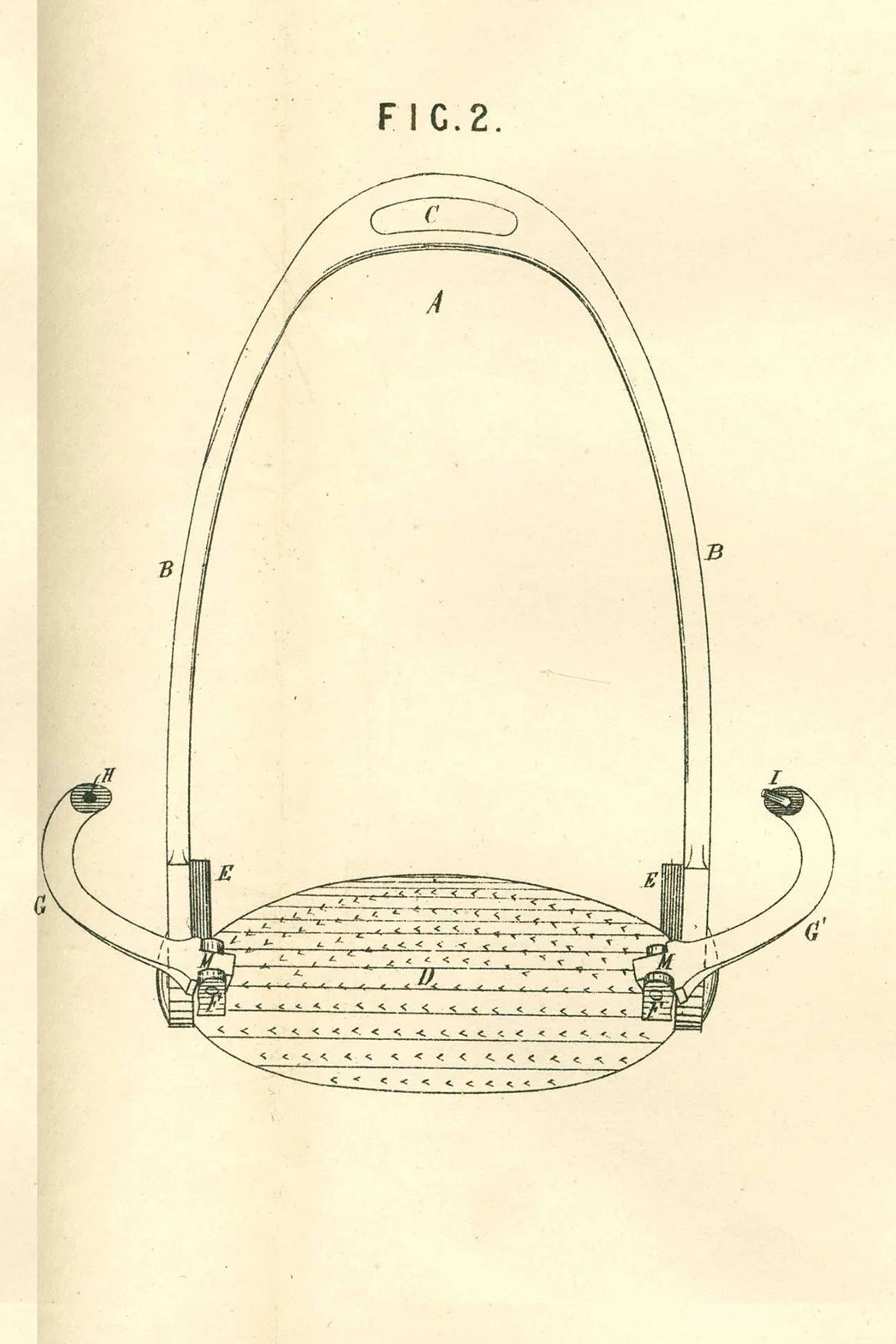
He was a founder member, life member, and at one time President of the Walsall Chamber of Commerce. In 1885, he was given the first of at least six patents for safety stirrups.
He retired in 1916 and moved to Ashtead, living in Woodfield Lane. -
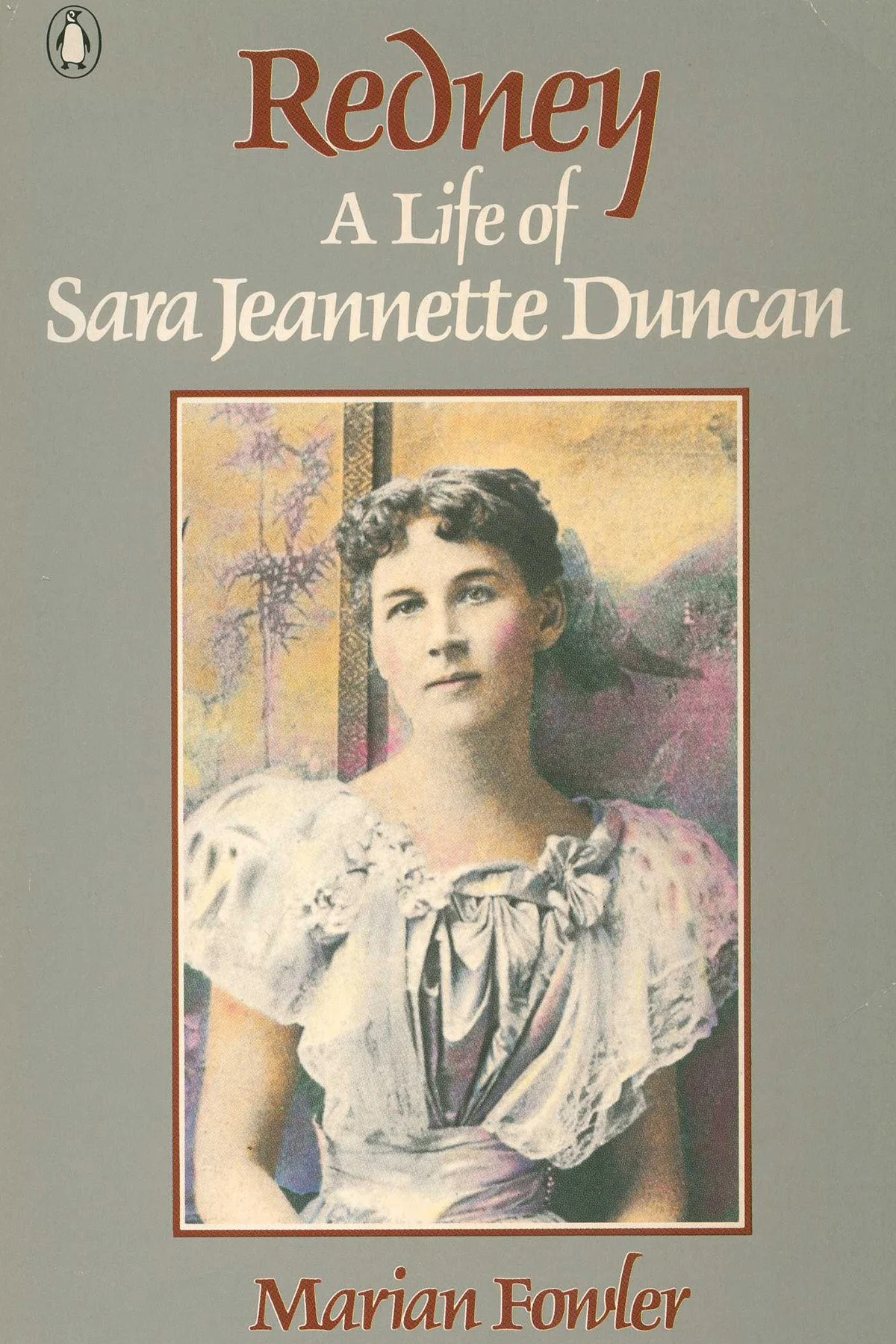
Sara Jeannette Duncan was a journalist, novelist and playwright. Her childhood nickname was Redney. Some Canadians view her as their equivalent of Jane Austen. In 2014, she was named a "National Historic Person" on the advice of the Historic Sites and Monuments Board of Canada.
Born Sarah Janet Duncan on 22 December 1861, she was 12½ when, just 3 miles from her home, Alexander Graham Bell conceived the fundamental idea of the telephone.
Outside the house where she was born, 96 West Street, Brantford, Canada West (now Ontario), are two plaques in her honour.
In 1890, she published her first book, 'A Social Departure', based on dispatches produced during her trip around the world.
Whilst in Calcutta, she met a civil servant, Everard Charles Cotes, who was working as an entomologist in the Indian Museum. He proposed to her at the Taj Mahal, and they were married in 1890. Though they both travelled extensively and separately.
With Everard, she moved to London and then to Barnett Wood Lodge [otherwise Malden Lodge], Barnett Wood Lane. The dates are unclear, but it seems they bought the house in 1921 from Sir Courtenay Walter Bennett, but the house needed a lot of work, and they didn't move in until 1922. Marian Fowler places Barnett Wood Lodge near Green Lane, but it was a few minutes’ walk further down the road towards Leatherhead, next to the footpath leading from Barnett Wood Lane to Oakhill Road.
Duncan was taken ill whilst gardening at her home in June 1922 and sadly died on 22 July 1922, aged 60, of chronic lung disease.Her gravestone says, "This leaf has blown far".
-
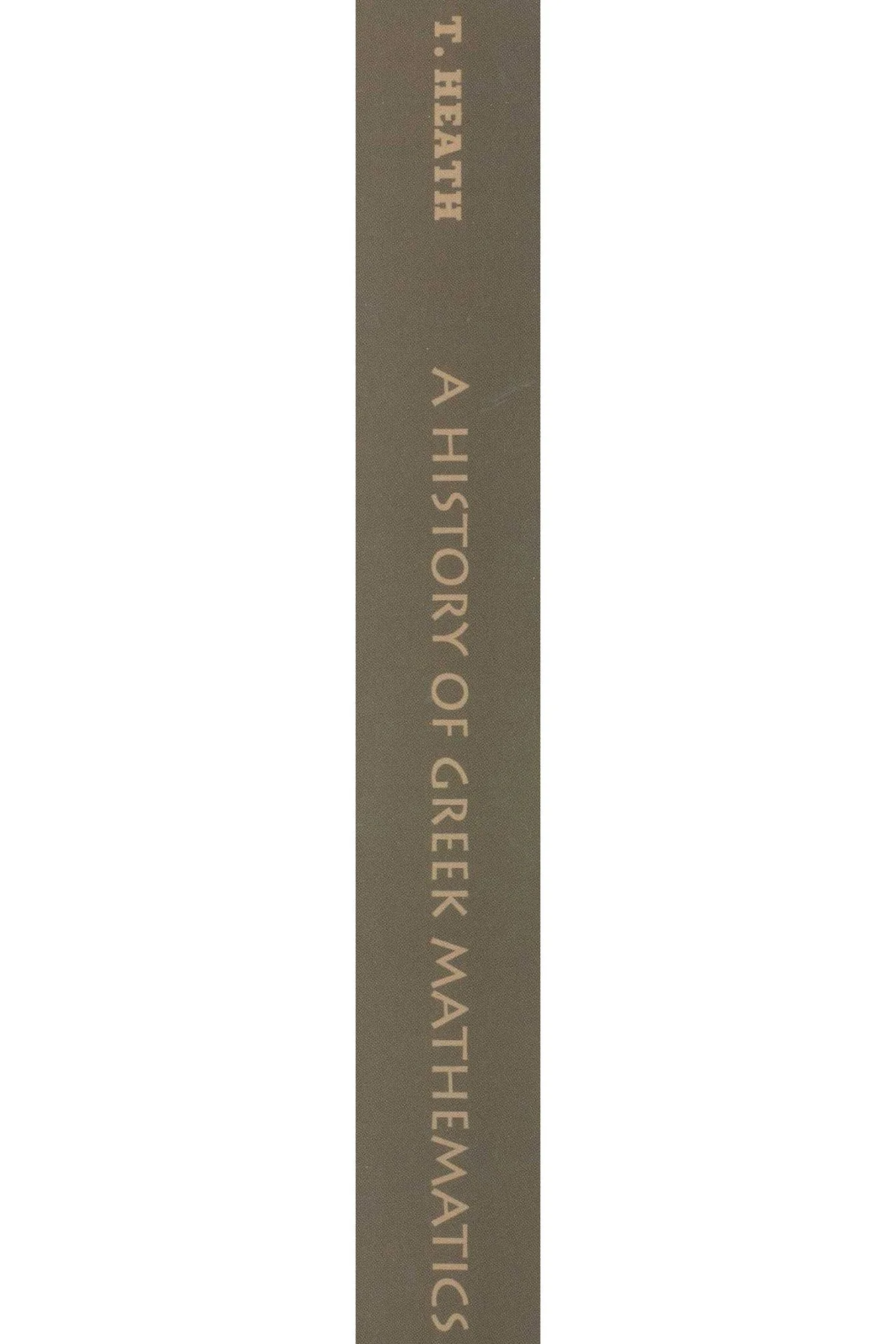
A Civil servant and authority on ancient mathematics. He rose to become the joint Head of the Treasury and then, before his retirement, the Comptroller General of the National Debt Office. But during his evenings, he wrote scholarly books about Greek Mathematics and Greek Astronomy. The article about him in the 'Obituary Notices of Fellows of the Royal Society' described him as "one of the most learned and industrious scholars of our time".
-
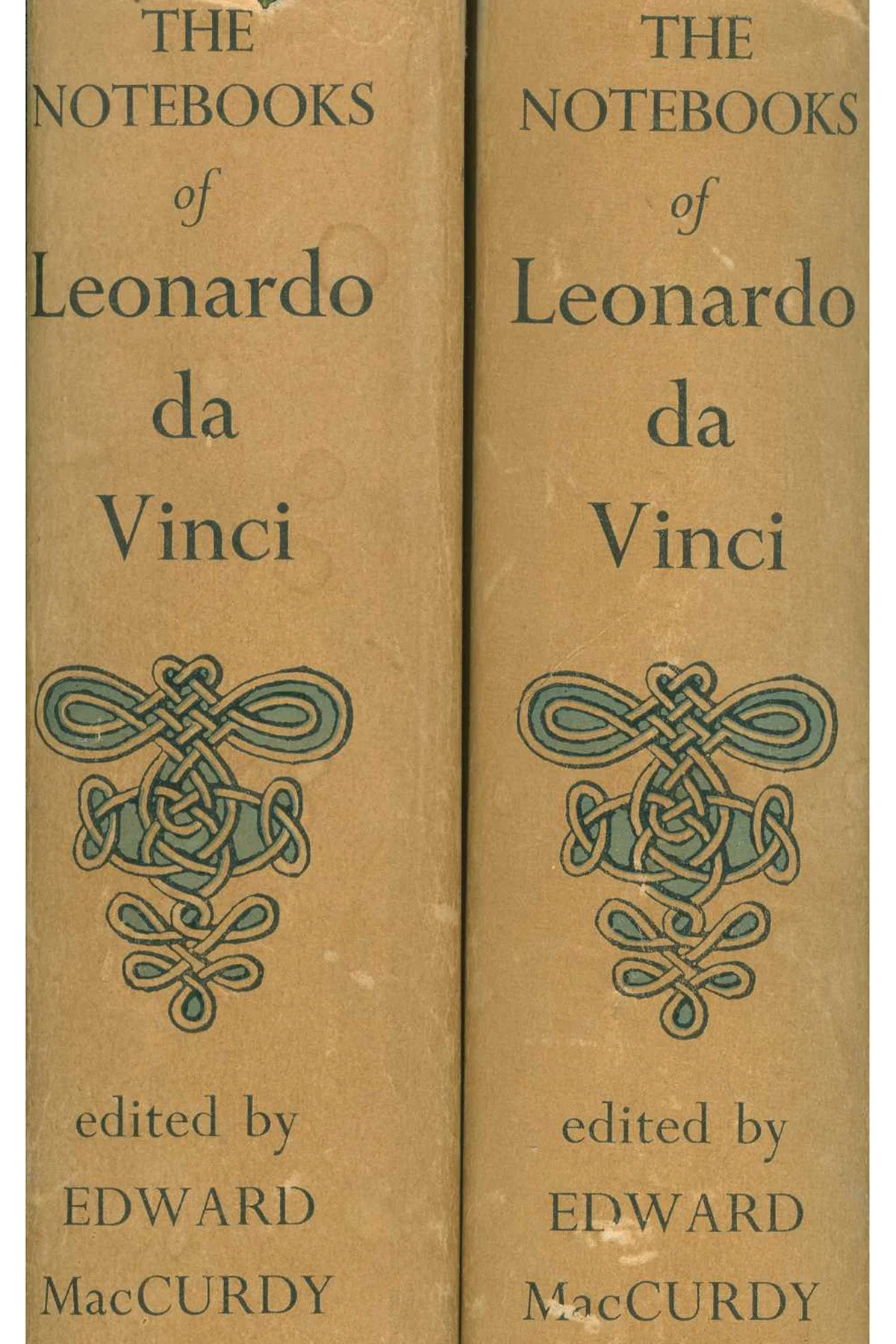
Translated Leonardo da Vinci's diaries out of their original medieval Italian mirror writing. In recognition of this, he was made a member of the exclusive Athenaeum Club.
On the front page of the Daily Express, Friday, 29 September 1950, was a short article entitled 'A Family Feud'. 'Mr Edward Alexander Coles MacCurdy, of Ashtead, Surrey, has a standing dispute with his family. He always signs himself MacCurdy. But his four daughters and two sons sign McCurdy. Says Mr MacCurdy: "I do not like these slovenly scriveners' contractions."' -
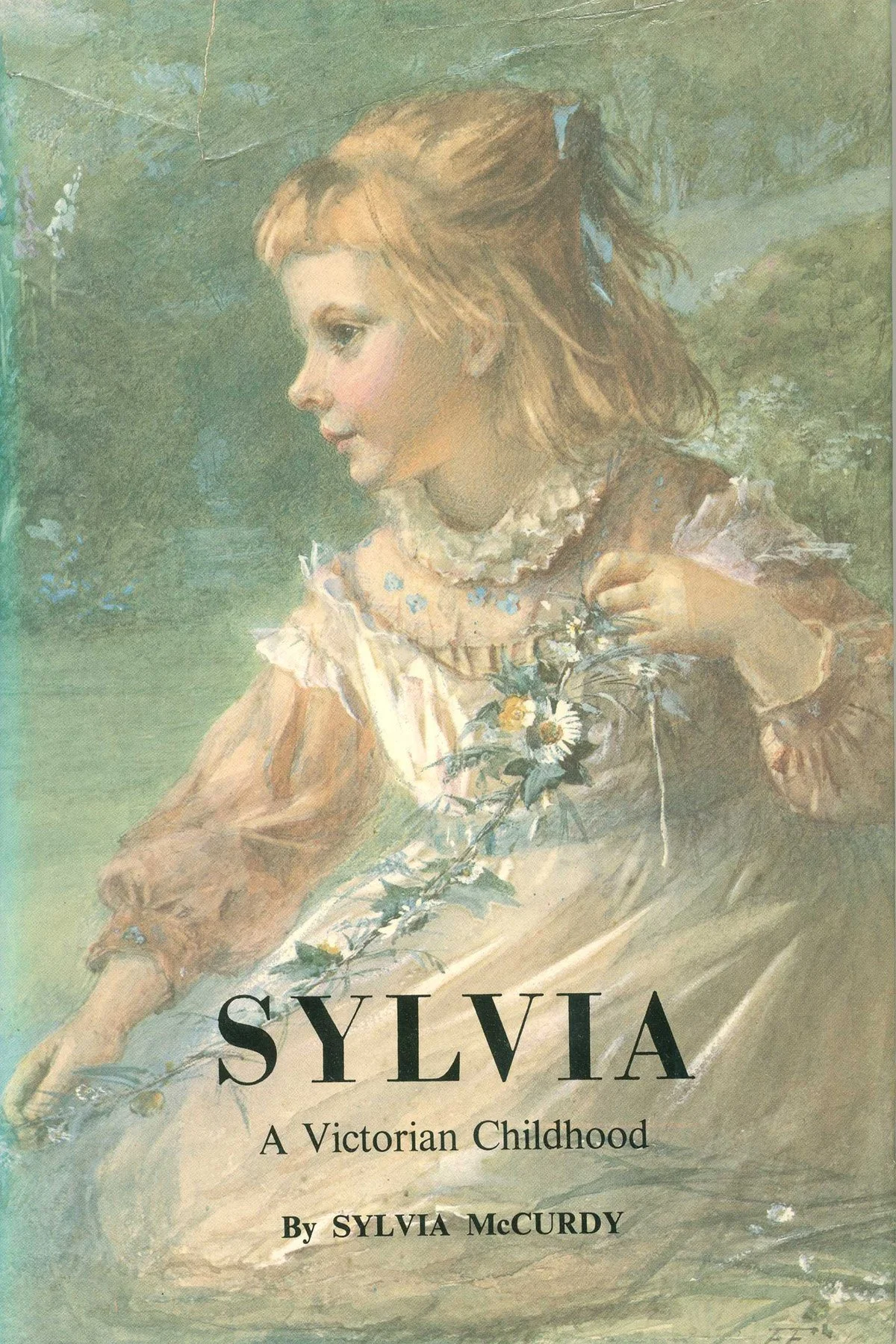
Wrote her autobiography entitled "Sylvia: A Victorian Childhood", aged 96 in 1972. It is the story of a typical, if you were well off, family life in the late Victorian and Edwardian era.
Note her name on the book is Sylvia McCurdy; see Edward Alexander Coles MacCurdy for an explanation! -
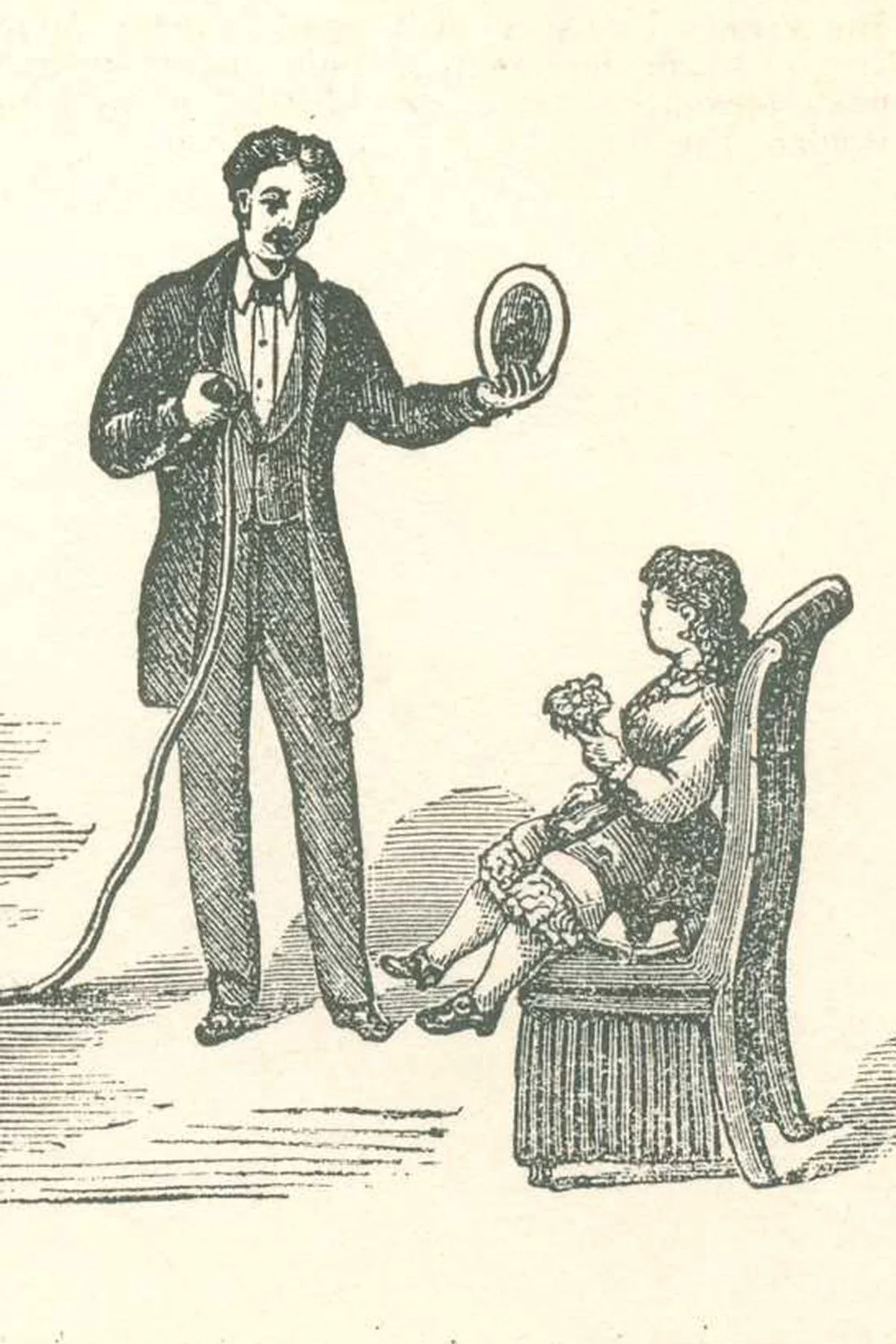
A photographer used by many publishers for their book covers
Michael Joseph (as Beverley Le Barrow) for Dick Francis novels
Hamish Hamilton (as Beverly Lebarrow) for Ross Thomas and Georges Simenon novels
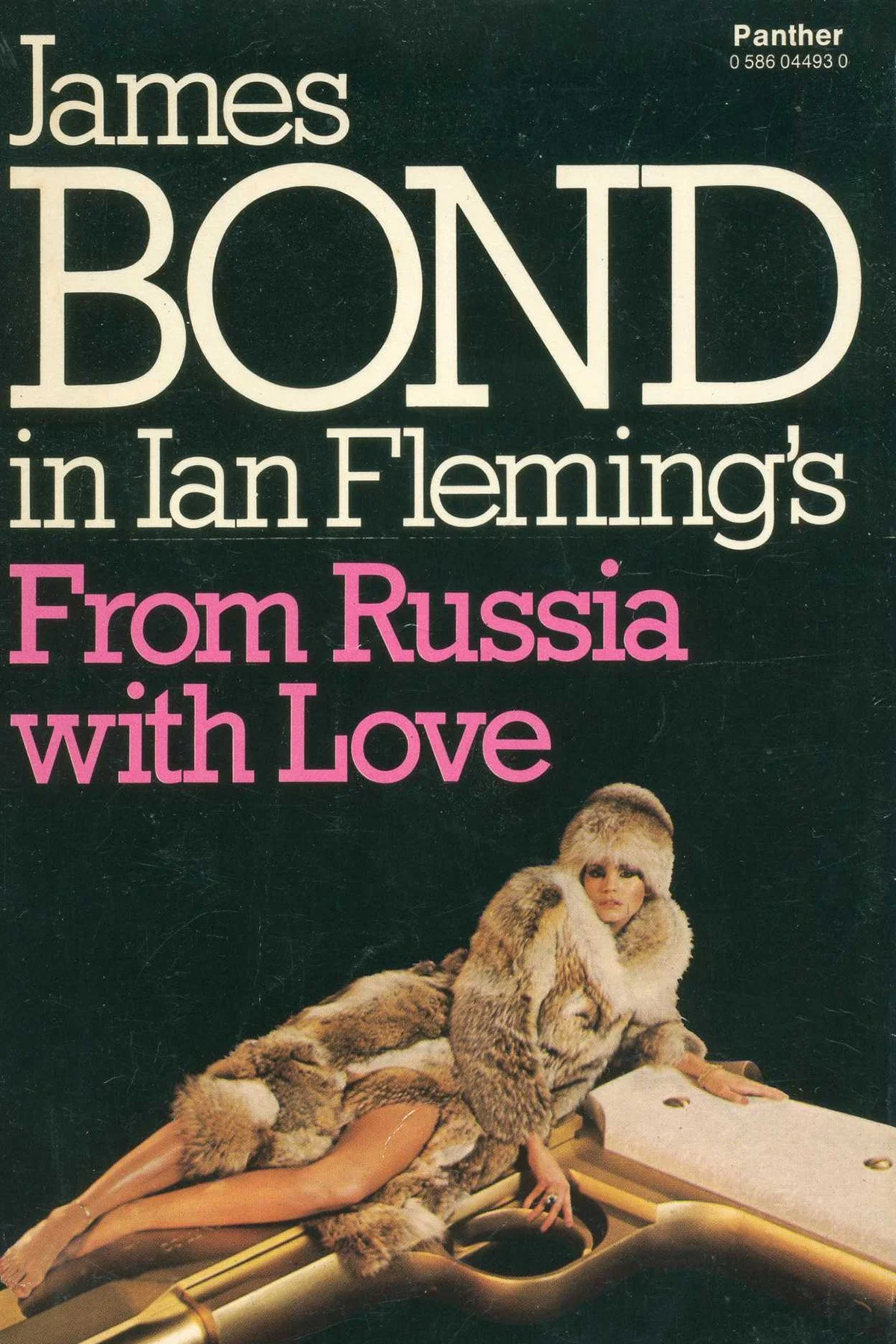
Panther (as Beverley Le Barrow) for many authors, including Kingsley Amis, Brian Aldiss, and especially Ian Fleming novels
Granada Publishing (owners of Panther) had a gun made, 2.1m x 1.29m, which was used on at least fifteen of their covers.
As Beverley Goodway, he worked for The Sun from 1968 until 2003. -
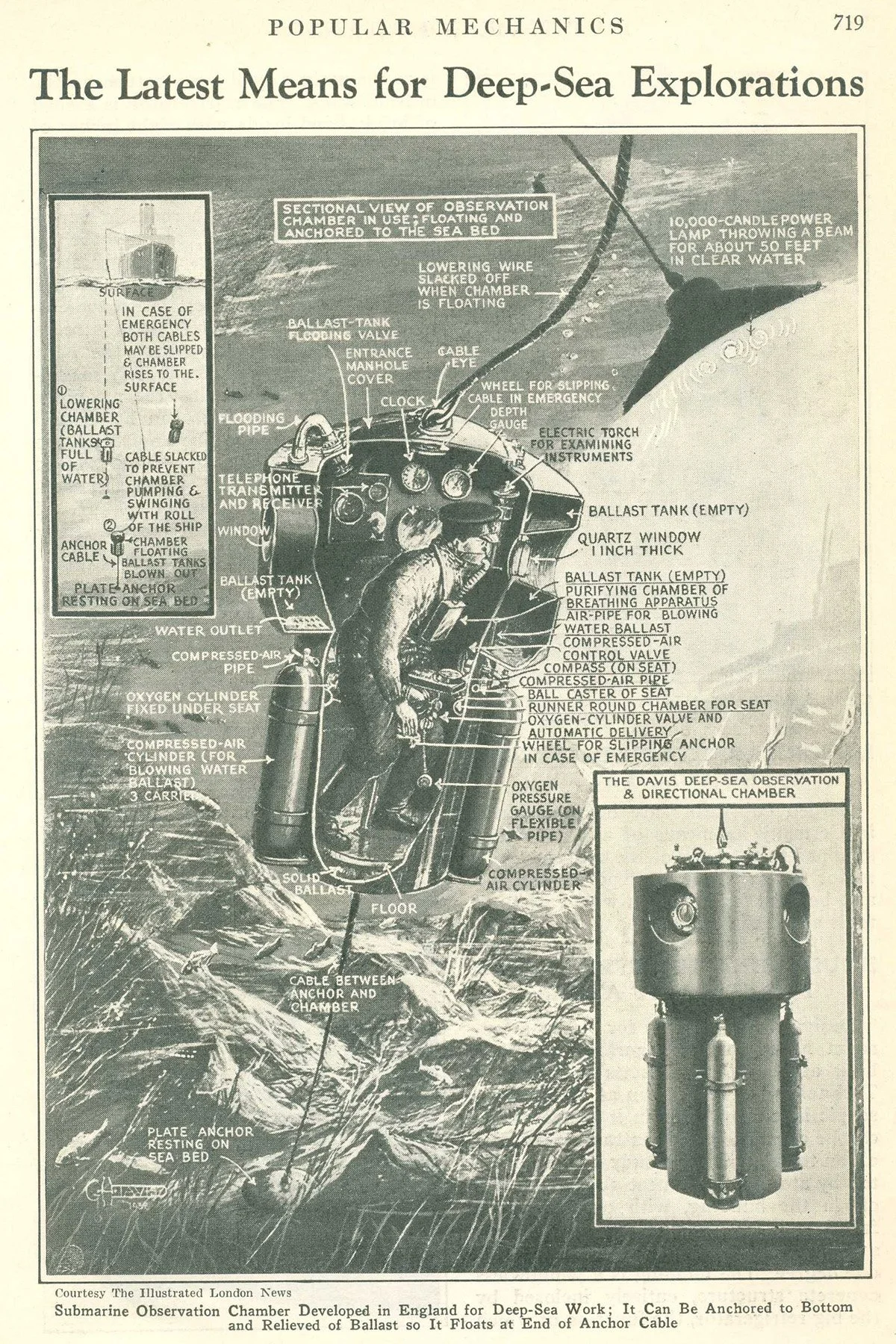
Davis was the Managing Director of Siebe Gorman & Co. Ltd and inventor of the Davis Submersible Decompression Chamber (DSDC) and the Davis Submerged Escape Apparatus (DSEA), which was an early form of Self-Contained Underwater Breathing Apparatus (SCUBA).
-
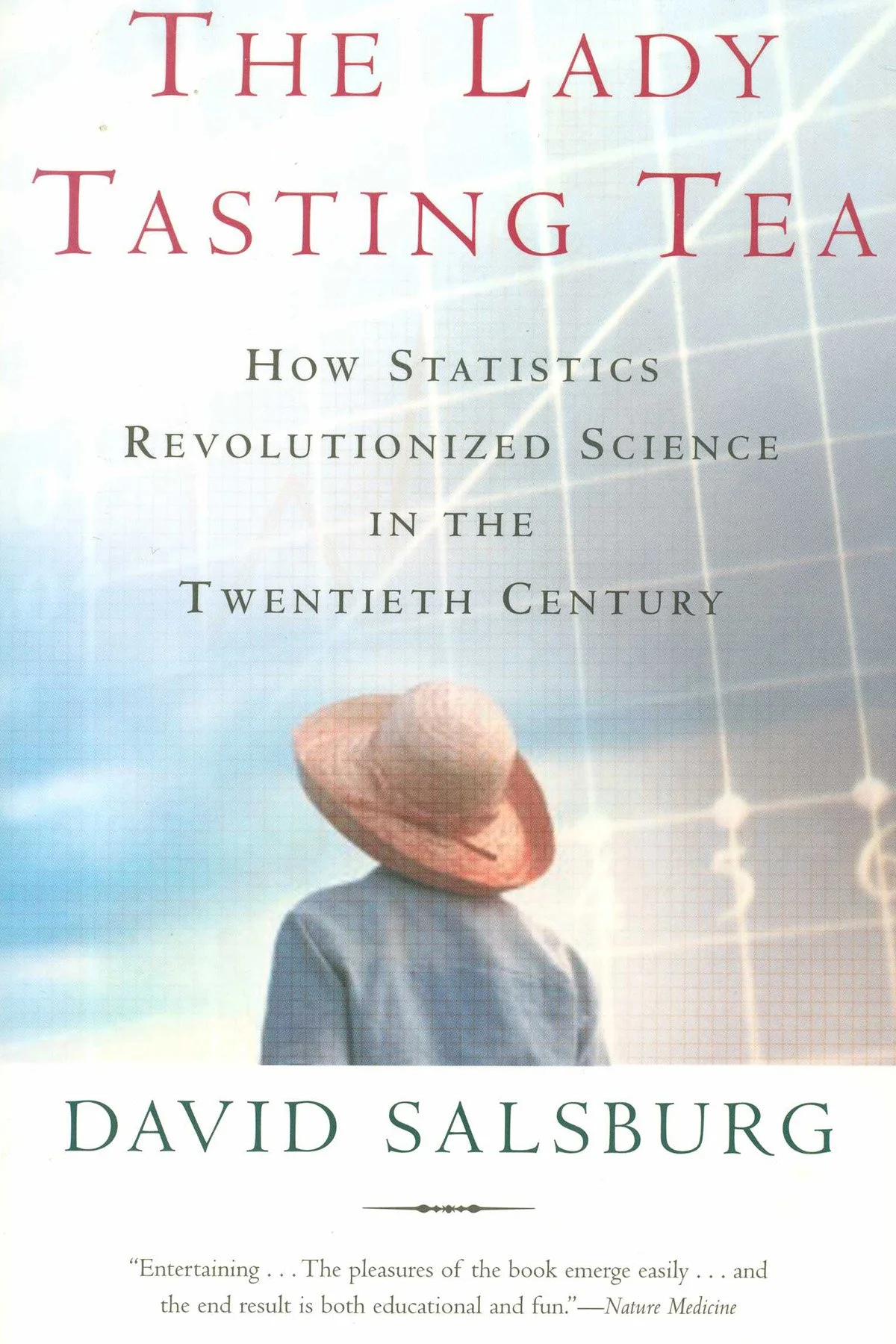
In 1934, Stella Cunliffe was head girl at Parsons Mead School* and one of their first pupils to attend university and the first to get a science degree, reading statistics at the London School of Economics. Before the end of World War 2, she volunteered for the Guides International Service, travelling across Europe and was one of the first civilians into Belsen. After the war, she worked at the Home Office and became the first woman Director of Statistics and then the first woman President of the Royal Statistical Society.
* Parsons Mead School is now a housing estate consisting of Mulberry Way, Elliston Way (named after Jessie Elliston, who moved her school to the site in 1904), Dawson Court and Cunliffe Court (named after Stella, their most famous student). -
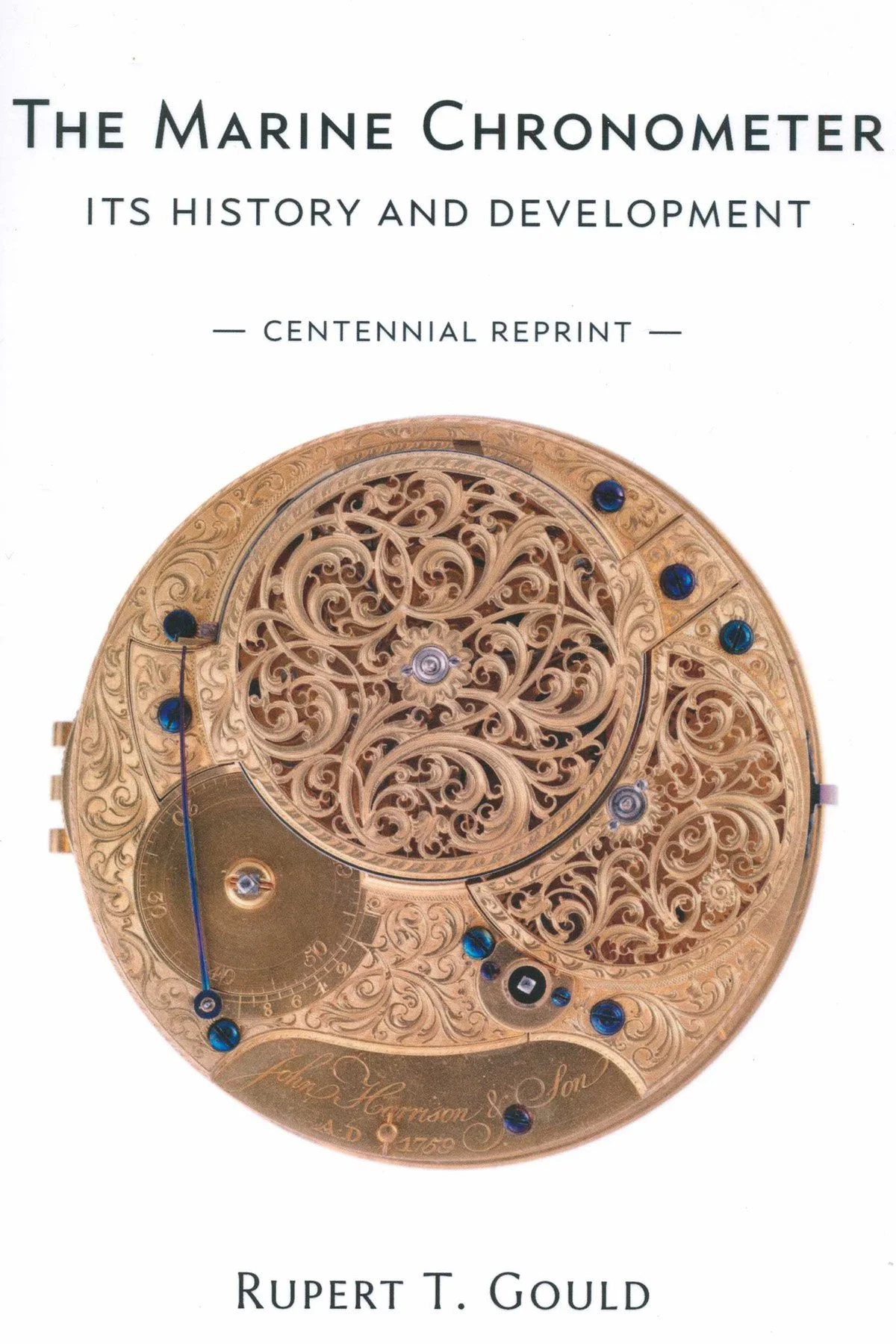
He is now most famous for restoring John Harrison's 'Longitude clocks'. They are the main attraction in the National Maritime Museum's Time and Longitude gallery.
The clock story is celebrated in Dava Sobel's 1998 best-seller "Longitude", which was made into the TV mini-series "Longitude". These follow the parallel stories of the 18th-century clockmaker John Harrison building the marine chronometers and the 20th-century Rupert Gould horologist restoring the three clocks and a watch between June 1920 and February 1933 at his home at 41, Woodfield Lane. The site is now occupied by the Library and Moat Court. -
Austin was Rector of Ashtead from 1928 until he died in 1942.
In 1932, under the pseudonym St Anthony, he wrote “An Ashtead Argument: being a brief history of the village in verse enumerating the principal features and historic events from the time of the Saxons down to the present day.”
In 1933, under his own name, he wrote “Ashtead Church: its Story and Memories.” To date, this is the only book solely concerned with St Giles.
-
James Cadett and his brother-in-law, Walter Neall, formed Cadett and Neall in August 1892. Their sales of Photographic dry plates increased rapidly, and by 1898, they had the largest sales in the UK and the three biggest factories in Ashtead: Greville Works, Victoria Works, and Crampshaw Works. Greville Works is now four flats on Greville Close; Victoria Works was later used as the factory for Ashtead Potters Limited. It was finally demolished, and Lime Tree Court was built in its place; Crampshaw Works was demolished, and Clarendon Mews was built in its place.
In June 1903, Cadett & Neall were taken over by Kodak. By 1908, everything Cadett & Neall was closed down and moved to Kodak's premises in Wealdstone, Harrow. -
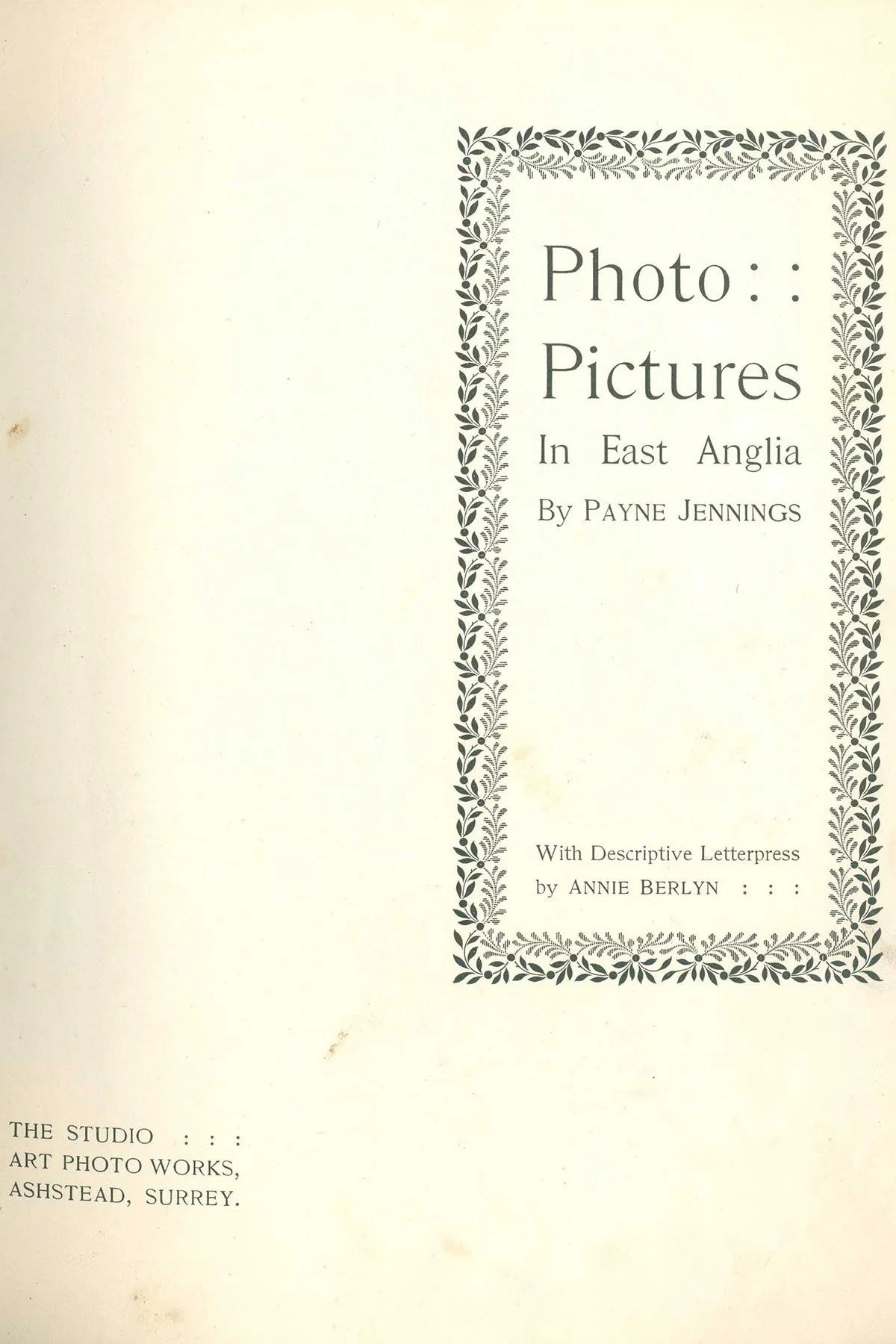
John Payne-Jennings was a professional photographer who first rose to fame in the 1860s and 1870s with his albumen photographs stuck by hand into books such as Views in Oxfordshire, Furness Abbey and Its Neighbourhood, and The English Lakes.
These works of the English and also Irish countryside were then used in the late 1870s to illustrate the anthologies of many poets, including John Milton, Thomas Moore, William Wordsworth, Elizabeth Barrett Browning, Henry Longfellow, and Lord Byron. The Works of Alfred Tennyson, Poet Laureate, published in 1878, was 737 pages long with eight Photographic Illustrations by Payne Jennings, plus a photograph of Tennyson, and four Drawings by the artist Helen Haywood.
John's father, William John Jennings, also buried at St Giles' graveyard, came to Ashtead c.1880. It was around the time of his father's death, in 1886, that John Payne Jennings came to Ashtead from London. Even then, he was considered the greatest landscape photographer of all time, but his financial success was about to begin. He was approached by the Great Eastern Railway Company to produce photographs both for tourist guides, e.g. Sun Pictures of the Norfolk Broads - One Hundred Photographs from Nature of the Rivers and Broads of Norfolk and Suffolk, but also as prints for both Great Eastern Railway carriages and the waiting room in Liverpool Street Station. Great Eastern Railway was keen to encourage tourism, as its trains were for most people the only means of getting there.
The Sun Pictures of the Norfolk Broads book was printed at least four times between 1891 and 1897. Similar books were also published: Summer Holidays in North East England and Photo Pictures in East Anglia. The photographs in the earliest of these books were printed using the collotype printing process, the later books using the halftone method, but the prints for the carriages, of which 110,000 were needed in one year, would have needed a more traditional darkroom. Was this set up in the Greville Works? Or did he still use W A Mansell & Co in London as he had done since the mid 1870s?In the cabinet, the page is open, showing Ely Cathedral, and Payne Jennings' address. Note the Ashstead spelling.
-
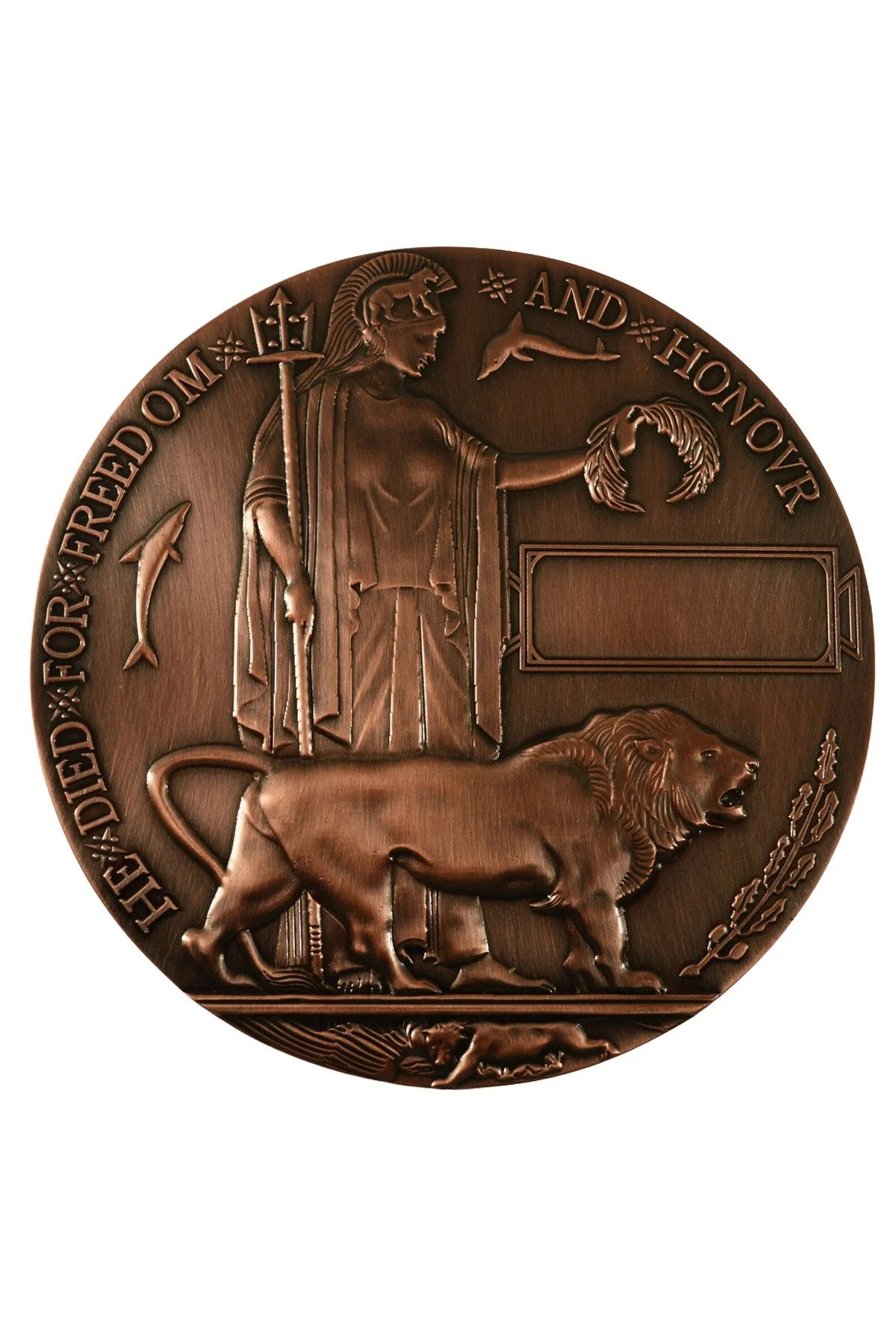
A full-size replica of a bronze World War 1 memorial plaque.
According to the Imperial War Museum these were colloquially known as a "Death Plaque", "Dead Man's Penny", or "Widow's Penny". One was given to the next of kin of a person killed in the war. A memorial plaque would have had the name of the deceased engraved in the blank space above the lion's head.
We dedicate this plaque to all the men and women who lost their lives in the WW1, but also the sixteen men killed between 1940 and 1946 who are buried in our Commonwealth War Graves.
Content Index
-
![]()
1. Richard Van Emden's book "Britain's Last Tommies: Final Memories from Soldiers of the 1914-18 War - In Their Own Words", with extensive pages devoted to 'Smiler'.
-
![]()
1. A photograph of 'Smilers' coffin being carried out of St Giles' Church. The full photograph shows soldiers in World War 1 period costume and an insert showing his helmet with ‘Smiler’ written on it.
-
![]()
2. "The Times - History of the War (WW1): Vol XV 1918" with an article and photograph of Captain Reynolds.
-
![]()
2. A cigarette card, from a New Zealand set about VC holders, showing Captain Reynolds in action. (obverse)
-
![]()
2. A cigarette card, from a New Zealand set about VC holders, giving a very brief version of Captain Reynolds' citation. (reverse)
-
![]()
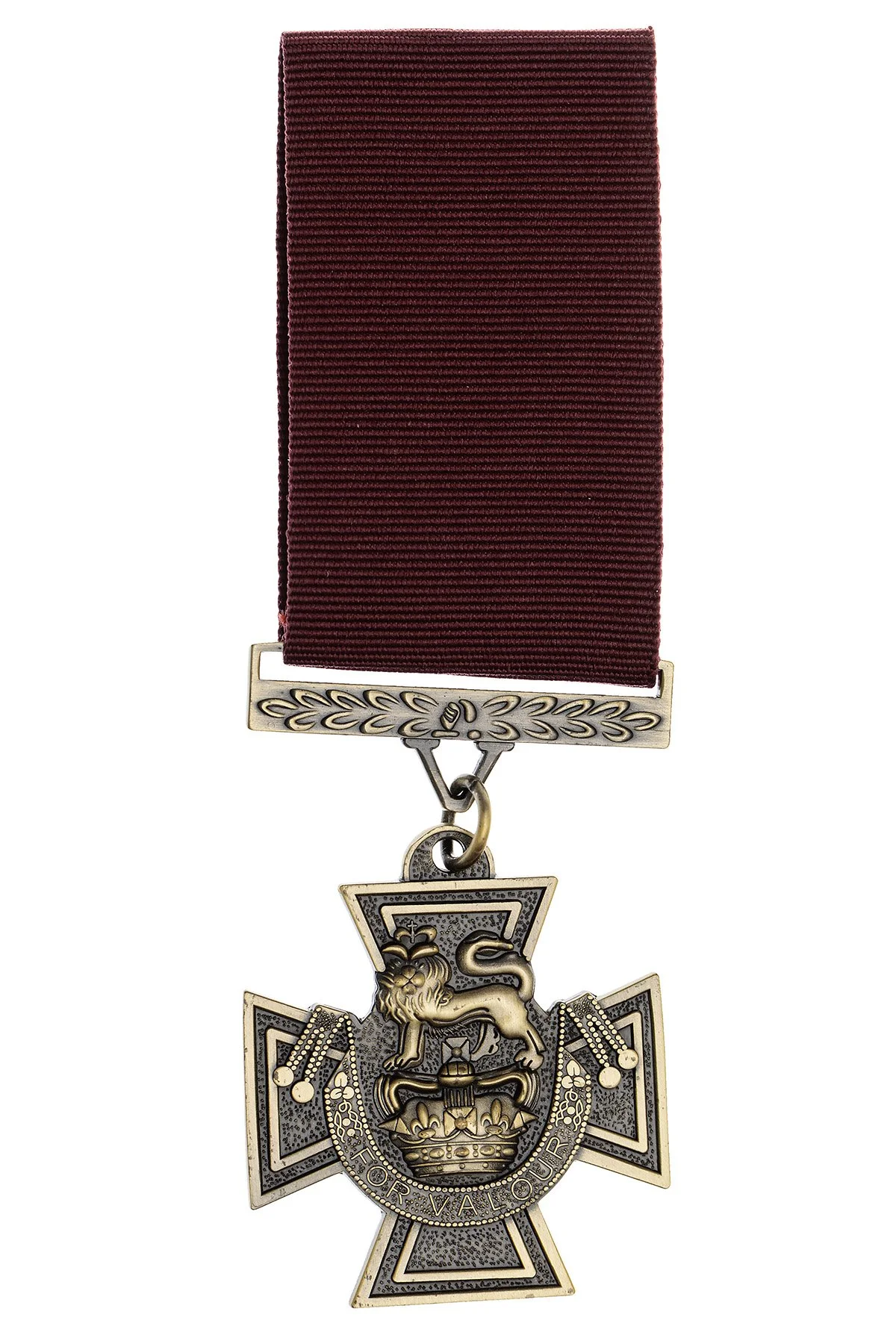
2. A replica Victoria Cross.
-
![]()
3. A ceramic poppy from the Tower of London. Given in memory of Sydney Clark East, who died at Passchendaele in 1917.
-
![]()
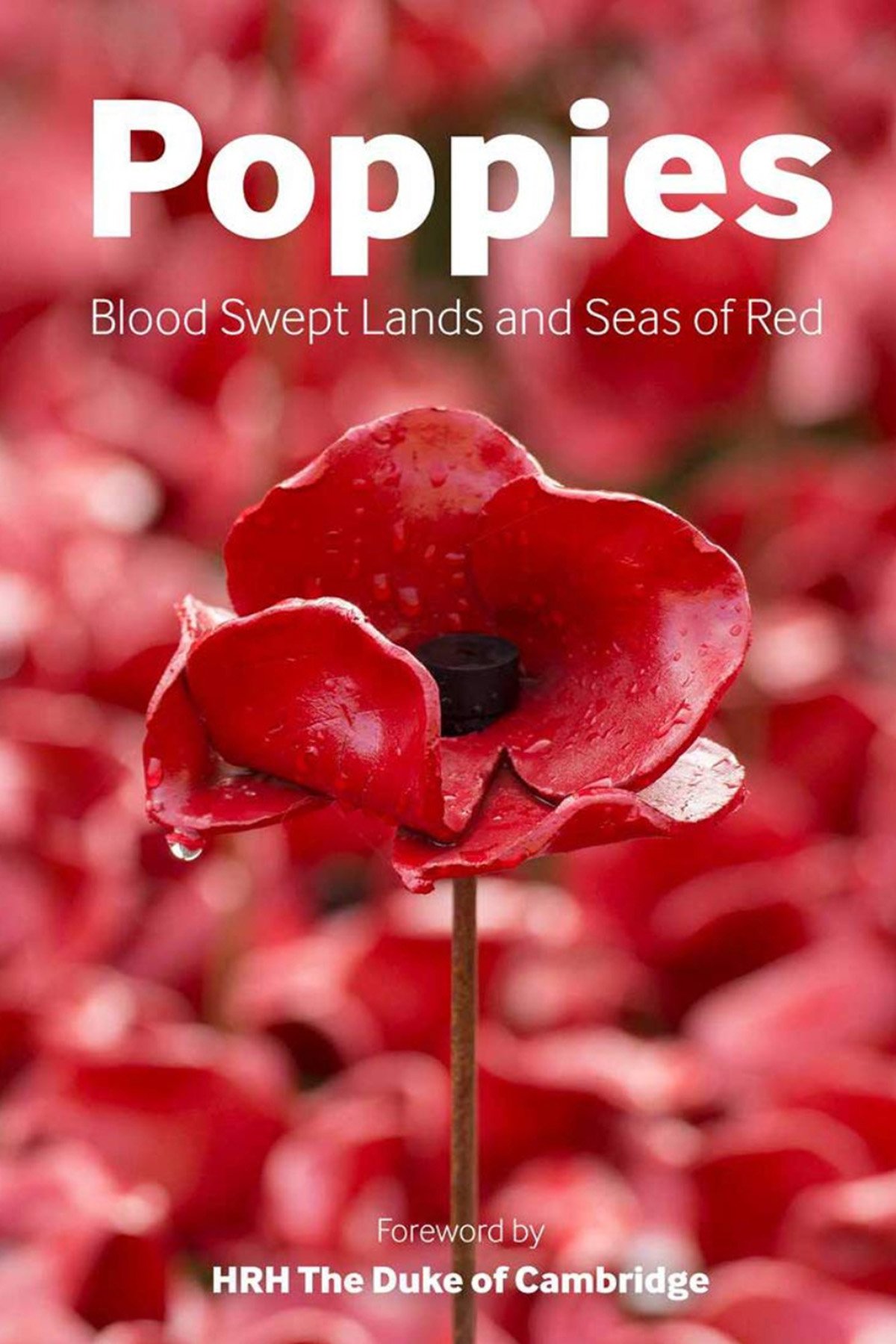
3. Imperial War Museum's book "Poppies: Blood Swept Lands and Seas of Red". Given in memory of Sydney Clark East, who died at Passchendaele in 1917.
-
![]()
4. Ashtead Potters' M57, the largest version of Sir William Reid Dick's 'Ypres' Lion, from the top of the Menin Gate. Given in memory of Serjeant Colin (Charlie) Blythe, who died at Passchendaele in 1917.
-
![]()
4. Ashtead Potters' J13, Brittany jug with the quintessentially Ashtead harlequin hoop colours. Given in memory of all those who survived WW1 but still gave of themselves.
-
![]()
4. Ashtead Potters' Guinness ashtray with a drawing of Sam Weller (a fictional character in The Pickwick Papers, 1836, the first novel by Charles Dickens), drawn by Hablot Knight Browne, aka Phiz. Given in memory of all those who survived WW1 but still gave of themselves.
-
![]()
4. Ashtead Potters' commemorative Mitcham Beaker. Given in memory of all those who survived WW1 but still gave of themselves.
-
![]()
4. Ashtead Potters' P6, Desert bowl with "leaping gazelles" (actually impalas or an animal based on an impala), designed by David Gordon Roberts Furse. Given in memory of all those who survived WW1 but still gave of themselves.
-
![]()
5. Scott's "Gold Medal 1885", size 3 safety stirrup.
-
![]()
5. Scott's Patent drawing 1765 from 1885.
-
![]()
6. Marian Fowler's book "Redney: A Life of Sara Jeannette Duncan".
-
![]()
7. Sir Thomas Little Heath's book "A History of Greek Mathematics".
-
![]()
8. Edward MacCurdy's books "Volumes 1 and 2 of The Notebooks of Leonardo Da Vinci".
-
![]()
9. Sylvia MacCurdy's book "Sylvia: A Victorian Childhood".
-
![]()
10. Ian Fleming's book "From Russia with Love", with Beverley's photograph.
-
![]()
11. Graphic pictorial from Popular Mechanics 1932, showing Davis' "Deep-Sea Observation & Directional Chamber".
-
![]()
12. David Salsburg's book "The Lady Tasting Tea: How Statistics Revolutionized Science in the Twentieth Century". With 10 pages about Stella.
-
![]()
13. Rupert T. Gould's book "The Marine Chronometer: It's History and Development". Showing Harrison's watch, H4.
-
![]()
14. Rev Austin's book Ashtead Church - Its Story and Memories.
-
![]()
15. A postcard showing "Cadett's patented invention of the pneumatic remote camera shutter release".
-
![]()
16. John Payne Jennings's book "Photo Pictures in East Anglia". Note the Ashstead spelling. In the cabinet the book is open, showing Ely Cathedral.
-
![]()
17. Replica of a memorial plaque. Dedicated to all the men and women who lost their lives in WW1, but also the sixteen men killed between 1940 and 1946 who are buried in our Commonwealth War Graves.